 dorris
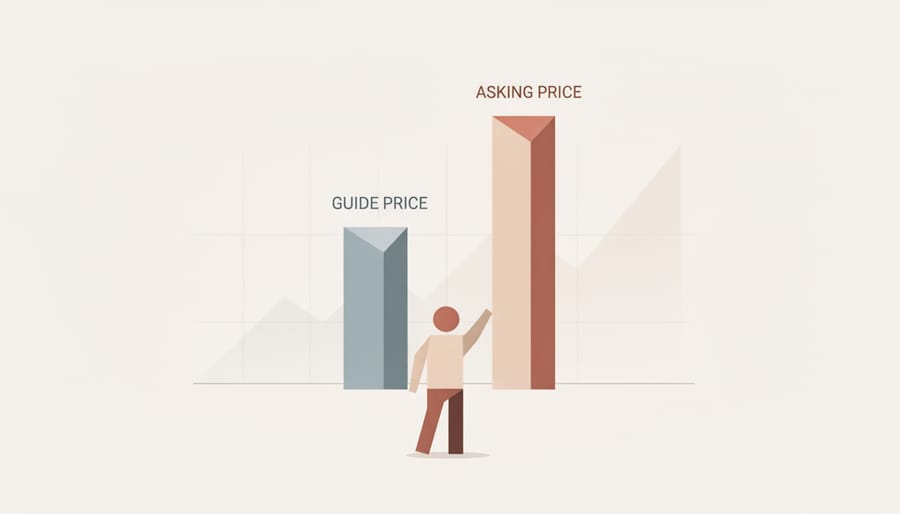
Understand we buy houses uk services before attending any charity auction. The guide price represents the auctioneer’s estimate of what an item will sell for, typically set at 10-20% below the expected final sale price. This creates a psychological anchor that encourages bidding while giving you a realistic baseline for budgeting your contribution to causes like women’s heart disease research and awareness.
The asking price, by contrast, functions as the minimum bid the auctioneer will accept to start the auction. Think of it as the door you must walk through to participate. At women’s heart health fundraisers across Canada, these pricing strategies help organizations maximize donations while keeping the bidding accessible to supporters at different financial levels.
Sarah Chen learned this distinction the hard way at a 2025 Toronto gala supporting cardiac care. She assumed the guide price of $800 for a spa weekend meant she’d win with an $850 bid. The package sold for $1,200. Had she understood that guide prices typically underestimate final values, she would have budgeted differently for an item she genuinely wanted while supporting a cause close to her heart after losing her mother to cardiovascular disease.
Knowing these terms empowers you to participate strategically in charity auctions. You’ll set realistic budgets, avoid bid regret, and contribute meaningfully to organizations advancing women’s cardiac health. Dr. Patricia Morrison, a cardiologist who frequently speaks at fundraising events, notes that educated bidders often become repeat supporters because they feel confident in their contributions rather than surprised by outcomes.
This guide will walk you through the practical differences between guide and asking prices, helping you navigate charity auctions with the same informed confidence you bring to managing your own health.
Understanding Auction Pricing: What Every Heart Health Supporter Should Know
When Sarah Jenkins attended her first Heart & Stroke Foundation gala auction in Vancouver, she felt completely lost. The program listed “guide prices” beside beautiful donated items, a weekend getaway package, spa treatments, artwork, but the auctioneer kept mentioning other numbers. She wasn’t sure what to trust or how much to prepare in her budget. Within minutes, she’d learned an expensive lesson: auction pricing isn’t as straightforward as retail shopping, and understanding the terminology makes all the difference between confident participation and uncomfortable surprises.
At charity auctions supporting women’s heart health research and education programs, you’ll encounter several pricing terms that serve different purposes. Knowing what each one means helps you bid strategically and contribute effectively to the cause.
- Guide Price
- An estimated price range published before the auction to give bidders a general idea of an item’s expected value, typically set deliberately low to encourage participation and bidding activity.
- Reserve Price
- The confidential minimum price that must be reached for an item to sell, protecting the donor’s contribution and ensuring the charity receives a worthwhile amount.
- Asking Price
- The starting bid amount announced by the auctioneer or listed on silent auction sheets, which may differ from the guide price and sets the entry point for bidding.
- Hammer Price
- The final winning bid when the auctioneer’s gavel falls or when a silent auction closes, representing the actual amount paid by the successful bidder.
- Fair Market Value
- The realistic retail price an item would command in a regular marketplace, often listed for tax receipt purposes at charity events.
The guide price serves as your roadmap. When the Heart Health Coalition of Alberta lists a designer handbag with a guide price of $300-$400, they’re signaling the ballpark where bidding might land, but it’s not a promise. That same bag might have a fair market value of $600, meaning bidders who win at $450 are getting both a deal and the satisfaction of supporting women’s cardiovascular research.
The asking price, meanwhile, is where the action starts. In a live auction, the auctioneer might open bidding at $200 for that same handbag, even though the guide suggested $300-$400. That lower entry point gets hands in the air and creates momentum. At silent auctions, increasingly popular at heart health fundraisers across Canada, the asking price appears as the first line on the bid sheet, with each subsequent bid climbing by set increments.
Here’s what catches people off guard: these prices work together strategically, not interchangeably. The guide price sets expectations, the asking price initiates competition, and the reserve price (which you never see) protects the charity’s interests. Understanding this dance means you can budget realistically, bid confidently, and maximize your contribution to programs that save women’s lives.

How Guide Prices Work at Women’s Heart Health Fundraising Auctions
Why Guide Prices Are Set Below Market Value
Setting guide prices below market value isn’t about undervaluing donated items, it’s a deliberate strategy that taps into bidder psychology and competitive instinct. When you see an attractive piece of jewelry or exclusive spa package listed at $500 but know it’s worth $800, you’re more likely to jump in. That initial excitement draws you into the bidding, and once you’ve invested emotionally in winning, you’re often willing to go beyond the guide price.
This approach creates a sense of opportunity that gets people raising their paddles. At a recent Toronto gala supporting women’s heart health research, organizers deliberately set a weekend getaway package at $1,200, well below its $2,000 retail value. The result? Enthusiastic bidding that ultimately closed at $1,850, far exceeding what a higher starting point might have achieved.
Lower guide prices also level the playing field, making charity auctions feel accessible to supporters with varying budgets. A first-time bidder who might hesitate at a $1,000 guide price feels confident entering at $600, even if competitive bidding eventually pushes the final amount higher. This inclusive approach builds a broader base of engaged supporters.
For heart health organizations, the trade-off is worth it. Yes, there’s a risk an item might sell near the guide price, but more often, the psychological pull of a “deal” sparks competitive energy that drives prices up, channeling more funds directly into life-saving research and education programs that benefit Canadian women.
Reading Between the Lines: What Guide Prices Really Tell You
Guide prices tell a story if you know how to read them. Think of them as the auction organizer’s opening conversation with you, a signal about what they hope will happen, not necessarily what will happen.
Start by comparing the guide price to the item’s retail or market value. A guide price set at 40-50% below market value typically means the organizers expect competitive bidding to drive the final price upward. They’re creating room for excitement. If you see a spa weekend package with a $1,200 retail value listed at a $600 guide price, expect the final bid to land somewhere between those two numbers, often closer to retail for desirable items at well-attended events.
Research similar past auctions if possible. Many organizations post final auction results on their websites or social media. When the Canadian Women’s Heart Health Foundation held their gala last year, items with guide prices averaging 50% of retail value typically closed at 75-85% of retail. This pattern helps you budget realistically.
Consider the item’s appeal and the event’s attendance. A highly coveted experience, like a cooking class with a celebrity chef who’s championed heart health after her own atrial fibrillation diagnosis, will likely exceed its guide price substantially. Standard items like gift baskets may settle closer to guide.
Set your personal ceiling before bidding starts. Decide your maximum contribution based on both the item’s value to you and your desire to support the cause. Guide prices help you estimate where bidding might go, but your heart and your budget should determine where you stop.
The smartest bidders use guide prices as starting points for planning, not promises of final cost.

Asking Price vs Guide Price: Spotting the Difference at Charity Events
At heart health charity events, you’ll encounter two distinct pricing approaches that serve different purposes. Understanding when and why each appears helps you navigate silent auctions, online platforms, and live galas with confidence.
Guide prices appear most commonly at live auctions and online events. They’re suggestions, estimates of what an item might reasonably sell for, designed to spark interest without locking anyone into a specific amount. When you see a spa package with a guide price of $300, you’re looking at the auctioneer’s educated guess about where bidding will land, not a firm floor.
Asking prices work differently. These are actual starting points that require a minimum commitment. Silent auctions often use asking prices as the first bid on bid sheets. An asking price of $250 for a weekend getaway means your first bid must meet or exceed that amount. There’s no wiggle room below.
The difference matters because it shapes your approach. At a Heart and Stroke Foundation gala last fall in Vancouver, the live auction featured designer jewelry with guide prices, while the silent auction tables displayed asking prices on every item. Bidders who understood this distinction moved fluidly between rooms, adjusting their strategies accordingly.
| Dimension | Guide Price | Asking Price |
|---|---|---|
| Definition | Suggested estimate of final value | Minimum required starting bid |
| Flexibility | Non-binding; bidding can start anywhere | Fixed floor; no bids accepted below |
| Typical Use | Live auctions, high-value items | Silent auctions, online platforms |
| Bidder Implications | Gauge interest, plan maximum bid | Immediate financial commitment required |
| Fundraising Impact | Generates excitement, encourages competition | Ensures minimum contribution per item |
Online charity auctions blur these lines further. Some platforms display both, a guide price for reference and an asking price as the current bid minimum. Others show only the current high bid, which functions like an asking price for the next bidder. Reading the platform’s terminology carefully prevents confusion.
The format matters too. Silent auctions favour asking prices because organizers need clear starting points on bid sheets. Live auctions lean toward guide prices because auctioneers control the flow, starting bids wherever momentum builds. Hybrid events, increasingly popular for women’s heart health fundraisers, might use both approaches in different sections of the same evening.
When you spot the difference quickly, you protect yourself from overpaying while ensuring your contribution supports research and education programs effectively.
Real Stories: How Auction Savvy Supported Heart Health Breakthroughs
When Toronto businesswoman Jennifer Chen donated a weekend getaway package to her first Heart & Stroke Foundation gala in 2024, she set the guide price deliberately low at $800, well below the $1,200 market value. She’d done her homework on auction pricing strategy. The result? A bidding war pushed the final price to $2,300, with every extra dollar funding women’s heart health research. “I watched two bidders who clearly understood that guide prices are starting points, not ceilings,” Jennifer recalls. “They weren’t focused on getting a deal, they were there to make an impact.”
That same evening, first-time bidder Sarah Lavoie from Montreal used her understanding of guide versus asking prices to participate confidently. She’d researched several items beforehand, noting their guide prices and estimating realistic final bids based on market value. When she won a photography session package, she paid $650, above the $400 guide price but fair for the service’s actual worth. More importantly, she felt informed rather than intimidated. “Knowing how auction pricing works meant I could budget appropriately and bid without second-guessing myself,” Sarah explains.
Melissa’s story shows how auction knowledge translates directly into research funding. After losing her sister to heart disease, Melissa became both a regular donor and strategic bidder at Vancouver heart health auctions. She learned to identify items with guide prices set to generate competitive bidding, usually unique experiences or items with emotional appeal. In 2025, she won a private cooking class with a celebrity chef. The guide price was $500, but Melissa bid $1,400, knowing the experience was worth it and that her bid directly supported clinical trials for women-specific heart treatments.
Calgary nurse practitioner Dr. Aisha Patel approaches charity auctions from both sides. As a donor, she provides health consultation packages with guide prices that invite broad participation. As a bidder, she focuses on items where she sees room between the guide price and true value, then bids generously. “Every auction I attend, I see at least three items close above their guide prices,” she notes. “That gap represents pure fundraising success, money that goes directly into programs that save women’s lives.”
These women share a common thread: understanding auction mechanics didn’t just help them participate, it empowered them to contribute meaningfully to a cause that affects every Canadian woman.
Smart Bidding Strategies for Heart Health Charity Auctions
Understanding guide and asking prices gives you the foundation for smart bidding, now let’s translate that knowledge into action. Whether you’re attending your first silent auction for a women’s heart health organization or you’re a seasoned gala supporter, these strategies will help you bid with both confidence and purpose.
Before the auction begins, do your homework. Review the catalogue thoroughly and identify items that genuinely interest you or align with your giving goals. Research comparable values for high-ticket items like vacation packages or jewelry. This preparation prevents impulse decisions and helps you recognize genuine opportunities when the bidding starts.
Set a personal maximum for each item before you raise your paddle or enter a bid. Consider what the item is worth to you personally, then add your charitable premium, the extra amount you’re willing to pay because it supports women’s heart health research and programs. Write this number down. In the excitement of competitive bidding, it’s easy to exceed your budget. Remember, every dollar above guide price directly funds programs that educate women about heart symptoms and support lifesaving research.
Here are practical tactics that experienced charity auction participants use:
- Arrive early to preview items in person and ask organizers questions about provenance or details
- In silent auctions, wait until the final minutes to place serious bids rather than driving up prices prematurely
- For live auctions, enter bidding confidently but drop out gracefully when your maximum is reached
- Request tax receipts for the amount exceeding fair market value to maximize your charitable deduction
- Consider pooling resources with friends to bid jointly on higher-value items
- Focus on mission impact rather than winning, your participation supports the cause regardless
The most successful charity auction participants view guide prices as starting points, not ceilings. They bid generously within their means, recognizing that competitive bidding benefits the organization’s ability to fund crucial heart health programs. At the same time, they avoid getting caught in ego-driven bidding wars that stretch beyond reasonable support.
When you combine auction pricing knowledge with thoughtful strategy, you become a more effective advocate for women’s heart health. You contribute meaningfully while feeling confident in your decisions, a win for both you and the cause you’re supporting.

What This Means for Your Heart Health: The Connection Between Knowledge and Empowerment
Understanding auction pricing mirrors the journey to heart health awareness, both demand that you ask questions, seek reliable information, and take action based on what you learn. When you decode guide prices and asking prices at a charity auction, you’re practicing the same critical thinking skills needed to recognize symptoms, understand risk factors, and advocate for proper cardiac care.
Just as you wouldn’t bid blindly without understanding an item’s value, you shouldn’t navigate your health without understanding common heart health risks that disproportionately affect women. The confidence you build researching auction strategies translates directly to the confidence required to speak up during medical appointments, request specific tests, or challenge dismissive responses about chest pain or fatigue.
Participating in fundraising auctions supporting women’s heart health creates something beyond financial contributions. You join a community of advocates who understand that gender disparities in cardiac research and treatment persist because of historical gaps in knowledge and attention. Every bid, every donation, every conversation at these events chips away at those gaps.
The education you gain about auction mechanics empowers you as a supporter. The education these auctions fund empowers the next generation of women to recognize their symptoms earlier, demand better care, and support each other through diagnosis and recovery. Knowledge is power in both arenas, and when you combine them, you create lasting change that saves lives.