
 dorris
Every 20 minutes, a woman in Canada dies from heart disease. Let that sink in. Many of us worry about breast cancer or other health threats, yet heart disease is the leading cause of premature death for women in Canada, and cardiovascular disease deserves far more of our attention than it gets.
Here’s what women’s heart attack statistics tell us. Early heart attack signs were missed in 78 per cent of women. Women who have a heart attack are also more likely to die or suffer a second heart attack compared to men. And the research gap doesn’t help: two-thirds of heart disease clinical research focuses on men, so much of what we know was learned by studying someone else’s heart.
These numbers aren’t meant to frighten you. They’re a wake-up call.
Knowing your own risk is the first step toward protecting yourself. Many women never connect everyday factors, like blood pressure, family history or smoking, to their heart health until something goes wrong. A routine checkup is a good time to ask where you stand.
Part of the problem is that women’s heart attack symptoms often look different from the classic picture, which contributes to delayed recognition and poorer outcomes. When you have accurate information about risk factors and warning signs, you can act early and take control of your heart health story.
The Reality of Women’s Heart Attack Statistics in Canada

How Many Women Are Affected
That 6.3% prevalence rate among Canadian adults can read like just another number. It isn’t. Here’s what it means for women across the country.
With roughly 40 million people in Canada, a rate that size works out to more than 2.5 million people living with diagnosed heart disease or a past heart attack. The prevalence data doesn’t break out exact figures by sex, so we won’t guess at a split. What we do know is that women make up about half the population and carry risk factors that research has only recently started to take seriously.
Mortality makes the picture sharper. In 2021, Canada recorded 75,621 cardiovascular deaths. That’s more than 200 families losing someone every day. Behind those totals are mothers, daughters, sisters and friends.
For women specifically, heart disease is the leading cause of premature death in Canada. Every 20 minutes, a woman in the country dies from it, and the often-cited figure of a heart attack every 20 minutes tells the same story from another angle.
The women’s heart attack statistics get harder to read once you look at what happens after the event. Early heart attack signs were missed in 78 per cent of women. Women who have a heart attack are also more likely to die or suffer a second one than men are. And part of the reason may sit in the research itself: two-thirds of heart disease clinical research focuses on men.
So this isn’t a rare condition hitting a small group. It reaches nearly every community in Canada, and too many women still don’t get recognized in time.
Why Heart Disease Is the #1 Killer of Canadian Women
Many Canadian women still believe that breast cancer or other cancers pose the greatest threat to their lives. The reality tells a different story. Cardiovascular disease claims more women’s lives than any other condition in this country, yet this fact remains surprisingly unknown.
The numbers speak clearly: of the 75,621 cardiovascular deaths in Canada in 2021, a significant portion were women. Heart disease doesn’t discriminate by gender when it comes to mortality, but it does affect women differently in how it develops and presents itself. This difference in presentation has historically led to underdiagnosis and delayed treatment in women, contributing to higher mortality rates.
Part of the misunderstanding stems from decades of research that focused primarily on men’s heart health. Women were often excluded from major cardiovascular studies, creating a knowledge gap that persisted for years. The symptoms women experience can differ from the “classic” chest pain that most people associate with heart attacks, leading many women to dismiss warning signs or have them dismissed by healthcare providers.
Today, awareness is changing. The work being done at specialized centres across Canada is helping shift the narrative, but the fundamental fact remains: heart disease kills more Canadian women than any other disease, and understanding this reality is the first step toward protecting yourself.
The Hidden Risks: Why 90% of Women Are at Risk
Behavioural Risk Factors You Can Control
The most important heart disease risk factors are the ones you can change today. According to the World Health Organization, unhealthy diet, physical inactivity, tobacco use, and harmful alcohol consumption are the leading behavioural contributors to cardiovascular disease in women.
An unhealthy diet often looks different in women’s lives than the stereotype suggests. It’s the desk lunch of processed snacks because you skipped breakfast during the morning rush. It’s the nightly glass (or two) of wine to unwind, which the WHO risk factors include alcohol guidelines warn can accumulate into harmful levels over time. It’s the sodium-heavy takeout when you’re too exhausted to cook after managing everyone else’s needs.
Physical inactivity compounds the problem. Canadian women juggling careers, caregiving, and household responsibilities often push their own exercise to the bottom of the list. That 30-minute walk gets sacrificed for answering work emails or driving kids to activities.
Tobacco use remains a significant factor, whether it’s cigarettes, vaping, or occasional social smoking that women sometimes don’t count as “real” smoking. Each of these behaviours incrementally raises your risk, and they frequently cluster together. Stress triggers smoking, which pairs with skipped workouts and convenience foods, creating a risk profile that pushes you toward that 90% at-risk statistic.
The empowering truth is that these factors respond to change. Small, consistent shifts in daily choices can meaningfully reduce your cardiovascular risk.
Unique Risk Factors Women Face
Beyond the behavioural factors that everyone faces, your biology as a woman creates additional heart health considerations that researchers are only beginning to fully understand. For decades, heart disease research focused almost exclusively on men, leaving significant gaps in our understanding of how it uniquely affects women.
Hormonal changes throughout your life play a crucial role in heart disease risk. Pregnancy complications like preeclampsia and gestational diabetes can signal increased cardiovascular risk later in life. Menopause brings a sharp drop in estrogen, which previously offered some protective effects, often coinciding with rising blood pressure and cholesterol levels that weren’t problematic before.
Conditions like polycystic ovary syndrome (PCOS), endometriosis, and autoimmune diseases such as lupus and rheumatoid arthritis appear to increase heart disease risk more significantly in women. Women also tend to develop plaque differently in their arteries compared to men, sometimes affecting smaller blood vessels in ways that traditional tests don’t always detect.
The research gap means doctors have historically been less likely to recognize heart disease symptoms in women or to treat them as aggressively. The Canadian Women’s Heart Health Centre at the University of Ottawa Heart Institute is working to change this landscape, but awareness remains critical. Understanding these unique factors helps you and your healthcare provider make more informed decisions about screening, prevention, and treatment tailored specifically to your needs as a woman.
Sarah’s Story: When Statistics Become Personal
Sarah Chen was 42 when she became one of the statistics. A busy marketing director in Toronto, she’d always considered herself healthy. She went to spin class twice a week, ate salads for lunch, and had no family history of heart disease. She certainly didn’t fit her mental image of a heart attack patient.
On a Tuesday morning in March, Sarah felt an odd pressure in her chest while answering emails. Not pain exactly, just discomfort. Her jaw ached. She felt unusually tired, though she’d slept well. When nausea hit, she assumed she was coming down with the flu that had been going around her office.
“I actually Googled women’s heart attack symptoms at my desk,” Sarah recalls. “I saw chest discomfort and jaw pain on the list, but I convinced myself it couldn’t be that serious. I was too young, too healthy.”
Three hours later, her colleague noticed Sarah looked pale and insisted on calling 911. At the hospital, doctors confirmed what Sarah had dismissed: she was having a heart attack. A blocked artery required immediate intervention.
Sarah’s cardiologist later told her that her hesitation was common. Many women delay seeking help because their symptoms don’t match the Hollywood version of a heart attack. They feel pressure instead of crushing pain. They experience fatigue, nausea, or back pain rather than the dramatic clutching of the chest.
“I kept thinking about that statistic I’d heard, that a Canadian woman has a heart attack every 20 minutes,” Sarah says. “I just never imagined I’d be one of those women. Now I tell everyone: trust your body. If something feels off, get it checked. Those extra three hours I waited could have cost me my life.”
Today, Sarah advocates for women’s heart health awareness, determined that her story might help another woman recognize the signs sooner.
What Medical Experts Want You to Know
Medical professionals reviewing these statistics emphasize one crucial point: knowledge is power, but action is what saves lives. The numbers show where we are today, yet they also reveal how much room we have to change the trajectory of women’s heart health in Canada.
Dr. Thais Coutinho, Chief of the Division of Prevention and Rehabilitation at the University of Ottawa Heart Institute, has been at the forefront of this shift. Through the Canadian Women’s Heart Health Centre at the University of Ottawa Heart Institute, she and her colleagues are working to change the women’s heart health landscape in Canada by addressing the research gap that left women’s heart disease understudied for decades. Their work focuses on understanding how heart disease manifests differently in women and ensuring that diagnostic tools and treatment protocols reflect these differences.
Cardiologists stress that the 90 percent risk statistic should not trigger panic. Instead, they view it as a wake-up call. Most of the risk factors driving this number are modifiable, which means women hold significant power to alter their individual risk profile. The key is moving from passive awareness to active engagement with your health.
Medical experts also want women to understand that these statistics represent current reality, not inevitable fate. The fact that a Canadian woman has a heart attack every twenty minutes reflects where we are now, after decades of overlooking women’s cardiovascular health in research and clinical practice. As awareness grows and women learn to recognize their unique symptoms and risk factors, these numbers can shift.
The emphasis from the medical community is clear: use these statistics to motivate preventive action, not to feel defeated. Ask your doctor about a cardiovascular risk assessment. Discuss your family history. Be honest about lifestyle factors. The statistics show the scope of the challenge, but they also highlight why taking control of your heart health matters so profoundly.

Taking Control: What These Statistics Mean for You
Knowing that 90% of women are at risk and that heart disease is the #1 killer doesn’t have to leave you feeling helpless. These statistics are actually your invitation to take charge. The numbers tell us that while the risk is widespread, the ability to reduce it is in your hands too.
Start by looking honestly at where you stand right now. Understanding your personal risk isn’t about judgment or fear. It’s about clarity. Consider which of the key behavioural risk factors apply to your life. Are you getting regular physical activity? How does your diet look most days? Do you use tobacco or drink alcohol in ways that might be harmful? These questions aren’t meant to overwhelm you, they’re your starting point.
Your next steps toward heart health prevention can be surprisingly straightforward:
- Book a check-up with your doctor to discuss your cardiovascular health and get baseline measurements like blood pressure and cholesterol levels.
- Identify one or two risk factors you can address first, choosing changes that feel manageable rather than trying to overhaul everything at once.
- Build your support system by sharing your heart health goals with friends, family, or a healthcare provider who can encourage you along the way.
- Stay informed about symptoms and warning signs specific to women, since knowing what to watch for can save your life.
Remember that every Canadian woman who has a heart attack every twenty minutes was once someone reading statistics just like you are now. The difference you can make lies in moving from awareness to action. The Canadian Women’s Heart Health Centre at the University of Ottawa Heart Institute offers resources specifically designed to support women in this journey. You’re not navigating this alone, and small, consistent changes add up to real protection for your heart.
The numbers tell a sobering story. Every twenty minutes, a Canadian woman has a heart attack. Heart disease claims more women’s lives than any other condition. Ninety percent of us face risk factors that could lead to cardiovascular disease.
But here’s what matters most: these statistics don’t have to define your future. They’re a call to awareness, not a cause for panic. Understanding your risk is the first step toward taking control of your heart health. The behavioural risk factors that affect so many of us are within your power to change, one choice at a time.
You’re not navigating this alone. Resources like the Canadian Women’s Heart Health Centre at the University of Ottawa Heart Institute are dedicated to supporting women just like you. Your doctor can help you assess your personal risk factors and create a plan tailored to your life. The women in your life who share these concerns can become allies in building healthier habits together.
These statistics matter because your health matters. Use them as motivation to schedule that overdue checkup, to take that daily walk, to make one small change that supports your heart. The best time to start protecting your heart health was yesterday. The second-best time is right now.
Your heart has been taking care of you since before you were born. Today is the day you start taking care of it back.
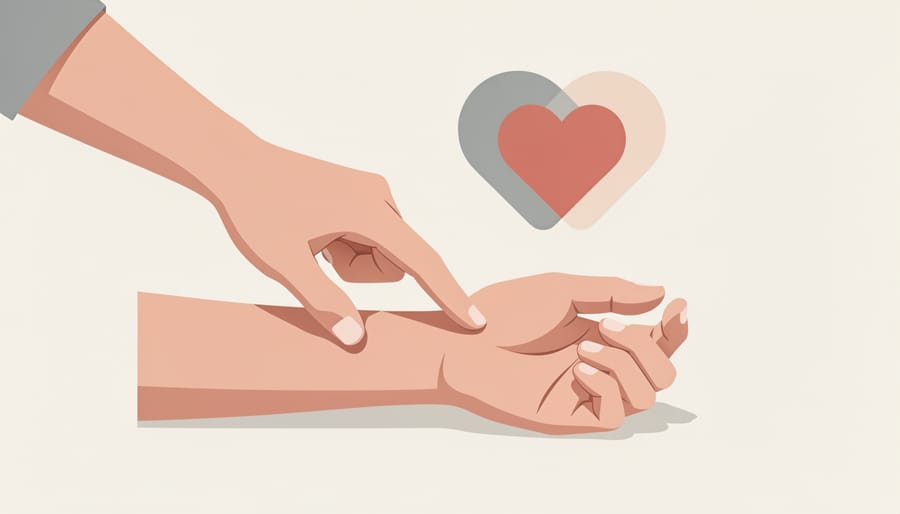
What each option is
The “options” here are the steps from the call to action above, and each one does a different job. Think of them as five distinct tools rather than one big to-do list.
- Personal risk assessment. A structured look at your own risk factors, such as blood pressure, cholesterol, family history and lifestyle. It tells you where you stand before you change anything.
- A check-up for baselines. A visit where blood pressure and cholesterol get measured. Those numbers become your reference point for every future comparison.
- Tackling one or two risk factors. A targeted effort on the changes that are realistic for you right now, rather than an overhaul of everything at once.
- A support system. Family, friends or a health professional who help you stay on track and notice when something’s off.
- Women-specific symptom knowledge. Learning how a heart attack can look in women, which matters because early heart attack signs were missed in 78 per cent of women.
That last one carries extra weight. Two-thirds of heart disease clinical research focuses on men, and women who have a heart attack are more likely to die or suffer a second heart attack compared to men. In Canada, a woman dies from heart disease every 20 minutes. Knowing what each step does helps you pick where to start.
At-a-Glance Comparison
Here’s the short version of how women’s heart attack statistics compare with what the research shows for men. Use it as a quick reference before you dig into the details above.
| Comparison dimension | What the research shows |
|---|---|
| Scale of the problem | Heart disease is the leading cause of premature death for women in Canada. Every 20 minutes, a woman in Canada dies from it. |
| Early warning signs | Early heart attack signs were missed in 78 per cent of women. |
| Research focus | Two-thirds of heart disease clinical research focuses on men. |
| Outcomes after a heart attack | Women are more likely than men to die or suffer a second heart attack. |
What this means in practice: the gap isn’t only about how many women are affected. It’s about recognition, research, and recovery. Symptoms get overlooked, the evidence base leans toward men, and the results after a heart attack are worse for women.
Pair these numbers with the steps above: know your personal risk, learn the symptoms that show up in women, and don’t wait on anything that feels wrong.
Dimension-by-dimension comparison
Statistics only help when you can see how they stack up against each other. Here’s how women’s heart attack statistics compare with men’s across the dimensions that matter most for your own planning.
| Dimension | What the research shows for women | What it means for you |
|---|---|---|
| Research focus | Two-thirds of heart disease clinical research focuses on men. | Guidelines and tests were built around male patterns, so ask your doctor how they apply to you. |
| Early warning signs | Early heart attack signs were missed in 78 per cent of women. | Learn women-specific symptoms and speak up if something feels wrong. |
| Outcomes after a heart attack | Women are more likely than men to die or suffer a second heart attack. | Follow-up care and recovery plans deserve extra attention. |
| Overall burden | Heart disease is the leading cause of premature death for women in Canada, and a woman dies from it every 20 minutes. | This isn’t a distant risk, so a baseline check-up is worth booking in 2026. |
Read across the rows and a pattern shows up. The gaps aren’t about women being fragile. They come from research that has historically centred on men, symptoms that get overlooked, and care that doesn’t always follow through after the first event.
That pattern is useful. It tells you where to push: ask questions, describe your symptoms plainly, and don’t accept “it’s probably nothing” without a real explanation.
Who Should Choose Which
Not every woman needs the same next step. Where you start depends on where you are right now, and the numbers explain why. A woman in Canada dies from heart disease every 20 minutes, and women who have a heart attack are more likely to die or suffer a second one than men are. Pick the path that fits your situation.
Start with a check-up if:
- You’ve never had your blood pressure or cholesterol measured, or can’t remember when you last did.
- You feel fine and assume that means you’re fine. Early heart attack signs were missed in 78 per cent of women, so feeling fine isn’t proof of much.
- Heart disease runs in your family and you haven’t mentioned it to a doctor.
Start with symptom knowledge if:
- You already have a diagnosis or known risk factors and want to catch trouble early.
- You’ve brushed off fatigue, nausea, or jaw and back discomfort as stress. Learn the women-specific warning signs first, then tell your family what to watch for.
Start with a specialist resource if:
- You’ve had a cardiac event, or you’ve been told your symptoms are “probably nothing” and still aren’t convinced.
- You want care shaped around women’s health. Two-thirds of heart disease clinical research focuses on men, so women-focused programs like the Canadian Women’s Heart Health Centre fill a real gap.
Unsure which fits? Book the check-up. It’s the cheapest, fastest step, and it gives every other choice a baseline.