 dorris
Personal experiences are the bridge between cold statistics and real understanding, and when it comes to women’s heart health, these stories illuminate symptoms doctors often miss, struggles other women face in silence, and paths to recovery that medical textbooks don’t capture. Women describing their heart attacks as “jaw pain and exhaustion” instead of chest-clutching drama, mothers recognizing their own risk factors in a friend’s story, survivors sharing how they rebuilt their lives after cardiac events, these narratives fill the dangerous gaps in heart health awareness that have long overlooked women’s unique experiences.
The numbers tell us that heart disease remains the leading cause of death for women in Canada, but statistics alone don’t prepare you to recognize your own warning signs or advocate for yourself in a dismissive emergency room. Real voices do. When a 42-year-old woman shares how she almost ignored her “indigestion” that turned out to be a heart attack, or when someone details the frustration of being told their chest pain was anxiety, these accounts become lifesaving education.
Throughout this article, you’ll encounter diverse examples spanning the full spectrum of heart health journeys. Some stories highlight those crucial early warning signs that prompted women to seek help. Others reveal the daily reality of managing heart conditions or the preventive steps that changed someone’s trajectory entirely. Each narrative has been chosen to reflect the varied experiences of women across different ages, backgrounds, and stages of heart health, all with one common thread: the power of speaking up and sharing what’s really happening in our bodies.
These aren’t just stories. They’re roadmaps written by women who’ve walked paths you might be on right now, offered with the collaboration of medical experts who understand why your experience matters.
Why Personal Heart Health Stories Matter for Women
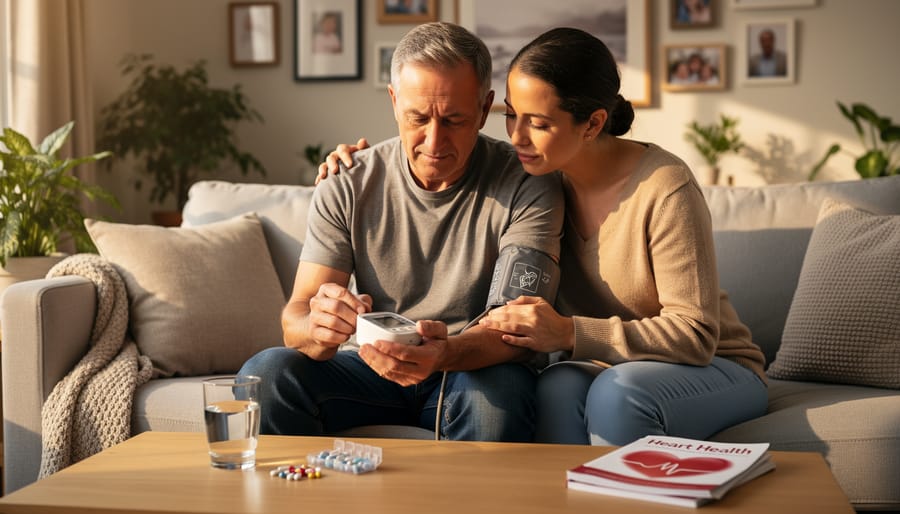
Women’s heart health stories carry a weight that statistics alone cannot convey. While heart attack statistics tell us what is happening across populations, personal narratives reveal how heart disease actually unfolds in women’s lives, often in ways that deviate sharply from what we have been taught to expect.
Medical textbooks and research have historically focused on male presentations of heart disease, creating a dangerous knowledge gap. Women frequently experience heart attacks differently, with symptoms like overwhelming fatigue, nausea, jaw discomfort, or back pain rather than the crushing chest pain depicted in movies. Personal stories fill this educational void by showing real women describing what they actually felt, creating a reference library of experiences that other women can recognize in themselves.
These narratives also illuminate risk factors that disproportionately affect women or manifest uniquely in female bodies. Conditions like preeclampsia during pregnancy, early menopause, and autoimmune diseases all increase heart disease risk, yet many women remain unaware of these connections until they hear another woman’s story. When someone shares how her pregnancy complications predicted her heart attack years later, it sparks recognition and potentially life-saving awareness in others facing similar circumstances.
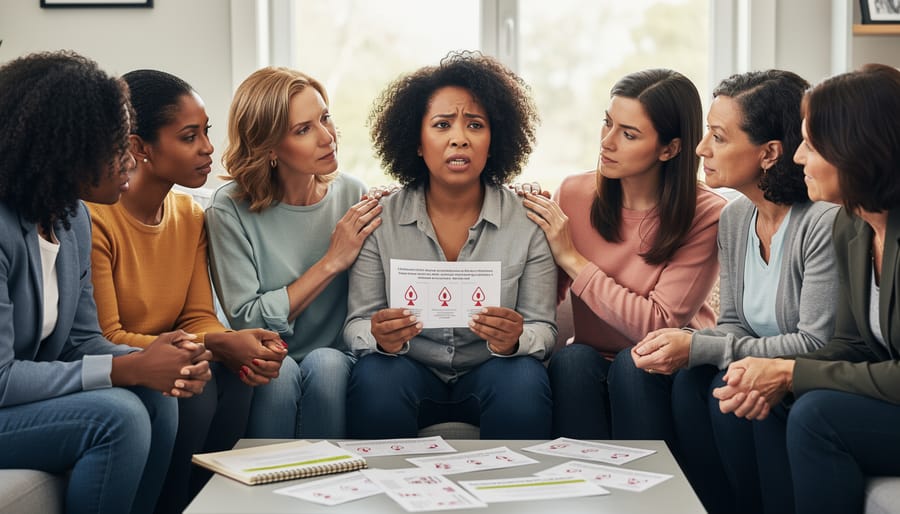
Beyond education, personal heart health stories create something equally vital: community and validation. Women who have felt dismissed by healthcare providers, who questioned whether their symptoms were real, or who struggled with the emotional aftermath of diagnosis find solace in knowing they are not alone. These shared experiences break the isolation that often accompanies health challenges and build networks of mutual support.
The stories also serve as powerful advocacy tools. When women speak openly about being sent home from emergency rooms despite serious symptoms, or about the years it took to receive an accurate diagnosis, they shine a light on systemic problems in how women’s heart health is treated. This collective voice pushes for better research, improved medical training, and more responsive healthcare systems that truly serve all patients.
Personal Experience Examples: Recognizing the Warning Signs
When It Didn’t Feel Like a Heart Attack
Sarah had been tired for weeks. She chalked it up to stress at work and caring for her aging mother. When the nausea started, she assumed it was something she ate. Even the dull ache radiating from her jaw to her shoulder seemed like tension from carrying heavy grocery bags. It wasn’t until she collapsed in her kitchen three days later that she learned she’d been having a heart attack all along.
Stories like Sarah’s are heartbreakingly common. Many women delay seeking emergency care because their symptoms don’t match the dramatic chest-clutching scenes we’ve all seen on television. According to experts, women’s heart attack symptoms often present differently than men’s, making them harder to recognize and easier to dismiss.
Jennifer, a 52-year-old teacher, spent an entire weekend thinking she had the flu. She felt exhausted, slightly short of breath, and had persistent indigestion. “I kept taking antacids,” she recalls. “I never once thought about my heart.” By Monday morning, when the pressure in her chest finally appeared, significant damage had already occurred.
Medical experts explain that women are more likely to experience what they call atypical symptoms: overwhelming fatigue, nausea, back pain, and shortness of breath without the classic crushing chest pain. These symptoms often develop gradually rather than suddenly, making them seem less urgent. Understanding the full range of cardiovascular conditions and how they manifest in women’s bodies can literally save lives.
The common thread in these stories? Each woman trusted what she’d been taught about heart attacks over what her body was telling her.
Trusting Your Instincts: Stories of Advocacy
Sarah arrived at the emergency room three times in one week. Each visit, she described crushing fatigue, nausea, and an overwhelming sense that something was terribly wrong. Twice, she was sent home with anxiety medication. On her third visit, she refused to leave until someone ran cardiac tests. The results showed a 95% blockage in her main artery.
Pushing past dismissal saved Sarah’s life, and her experience mirrors countless real cardiac survival stories where persistence proved essential. Women face particular challenges in emergency settings because their symptoms often deviate from textbook presentations that medical training emphasizes.
Jennifer’s story illustrates another common pattern. When she reported shortness of breath and jaw pain, her doctor suggested stress management and weight loss. She returned with copies of research articles about women’s heart attack symptoms and insisted on a stress test. The test revealed significant arterial disease requiring immediate intervention.
These women share key advocacy strategies: bringing a trusted person to appointments who can reinforce concerns, keeping detailed symptom logs with dates and severity, and directly asking doctors to explain what else could cause the symptoms if not heart-related. When medical professionals suggest anxiety or stress, asking for cardiac tests first creates a documented trail.
Maria’s persistence involved switching providers twice before finding a cardiologist who took her family history and symptoms seriously. She now advises other women to view healthcare as a partnership where their observations about their own bodies carry weight. Your instincts deserve investigation, not dismissal.
Living with Heart Disease: Personal Journey Examples
Maria, a marketing director from Toronto, remembers the disorienting aftermath of her heart attack at 52. “The diagnosis itself was almost easier than figuring out who I was supposed to be afterward,” she shares. Within days, her life transformed into a careful choreography of medications, cardiac rehabilitation appointments, and constant internal negotiations about what she could and couldn’t do. The woman who once powered through 12-hour workdays now needed afternoon naps. Learning to view rest as productive rather than lazy became her first major mental shift.
The stories of cardiac survival reveal patterns in how women rebuild their lives after diagnosis. Sarah, diagnosed with heart failure at 46, describes the medication routine that initially overwhelmed her: “I had a pill organizer that looked like a tackle box. Morning pills, evening pills, pills with food, pills on an empty stomach. I set phone alarms for everything.” After six months, the routine became automatic, but she emphasizes that the adjustment period requires patience and systems. She now photographs her medication setup to share with other women newly diagnosed, showing them that what feels chaotic eventually becomes manageable.
The emotional terrain proves equally challenging. Jennifer, living with coronary artery disease since her late 40s, talks openly about the grief that followed her diagnosis. “I mourned the person I was. I had to let go of being the friend who said yes to everything, the mom who could keep up with anyone.” Her cardiologist connected her with a therapist specializing in chronic illness, which she credits with helping her separate her identity from her diagnosis. She learned to say, “I have heart disease,” not “I am a heart patient.”
Physical limitations reshape daily life in unexpected ways. Tanya, managing her heart condition while raising two teenagers, redesigned her kitchen with frequently used items at waist height to avoid overhead reaching. She schedules important conversations for mornings when her energy peaks. “It’s not giving up,” she explains. “It’s strategic living.” These practical adaptations, shared among women in cardiac rehabilitation groups, become acts of wisdom rather than surrender.
Prevention Stories: How Women Changed Their Heart Health Path
Prevention doesn’t always start with a dramatic moment. For many women, the journey toward heart health begins quietly, with a family photo, a routine checkup, or simply feeling more tired than usual.
Sarah’s story illustrates this perfectly. At 42, she attended her mother’s funeral after a sudden heart attack. While sorting through family records afterward, Sarah discovered that her grandmother had also died of heart disease at 58, and her aunt had undergone bypass surgery at 51. The pattern was undeniable. Within the week, Sarah scheduled a comprehensive cardiac screening. Her cholesterol was elevated, and her blood pressure sat in the prehypertensive range. “I wasn’t sick yet,” she explains, “but I could see where I was heading.” She started walking daily, switched to a Mediterranean diet, and began working with a cardiologist. Five years later, her numbers are excellent, and she credits that moment of recognition with likely adding decades to her life.
Women who successfully changed their heart health trajectory often followed similar paths. Based on their personal experiences, common steps included:
- Acknowledging family history as a personal risk factor, not just abstract genetics
- Getting baseline cardiac screenings earlier than standard recommendations, especially with known risk factors
- Making one sustainable lifestyle change at a time rather than attempting complete overhauls
- Building a healthcare team that took their concerns seriously and provided proactive guidance
- Finding accountability through friends, family, or support groups to maintain long-term changes
Michelle’s prevention story took a different route. A diabetes diagnosis at 38 sent her to a cardiologist who explained that her heart disease risk was now significantly elevated. Rather than feeling defeated, Michelle saw it as advance warning. She joined a cardiac rehabilitation exercise program designed for prevention, learned to monitor her blood sugar consistently, and found a therapist to address stress eating patterns. “I reframed it in my mind,” she says. “I wasn’t dealing with heart disease, I was preventing it. That shift changed everything.”
These stories share a common thread: early awareness combined with sustained action. Prevention isn’t a single decision but a series of choices made consistently over time.
Sharing Your Own Story: How Personal Experiences Help Others
Your story has the power to save lives. When you share your heart health journey, you give other women permission to recognize their own symptoms, trust their instincts, and seek help without hesitation. Many women don’t realize their experiences matter to medical professionals and researchers who are working to close the gender gap in cardiac care.
Dr. Maria Chen, a cardiologist at the University of Toronto, explains that patient narratives have become invaluable to medical research. “When women describe what they felt, when they felt it, and how they responded, we gain insights that clinical data alone can’t provide,” she says. “These stories help us identify patterns in symptom presentation and understand barriers to care that we need to address.”
Sharing your experience also offers unexpected therapeutic benefits. Writing or talking about your heart health journey can help process trauma, reduce anxiety, and create meaning from difficult experiences. You don’t need to be a writer to share effectively. A simple social media post, a conversation with friends, or participation in patient advocacy groups all contribute to the collective knowledge that helps other women.
Consider sharing details like the symptoms you initially dismissed, what finally prompted you to seek care, how healthcare providers responded, and what you wish you’d known earlier. These specifics resonate with women facing similar situations. Your honesty about fear, confusion, or frustration validates feelings that many women experience but rarely voice.
When women share their stories, they chip away at the alarming numbers that show how underdiagnosed and undertreated heart disease remains in women. Every narrative adds to a growing body of evidence that demands better research, improved medical training, and more equitable care for all women.
These personal experiences examples show us something profound: women’s heart health stories aren’t just anecdotes, they’re lifesaving roadmaps. When Sarah recognized her jaw pain as a warning sign because she’d read another woman’s story, when Michelle advocated for herself after seeing others dismissed, they joined a growing movement of women who refuse to let heart disease remain silent.
Your body speaks its own language. The fatigue that won’t lift, the unexplained anxiety, the back pain that feels different, these aren’t things to brush aside or minimize. The women whose stories you’ve read here trusted those signals, even when they didn’t match the textbook descriptions. That trust saved their lives.
Every story shared creates ripples. When one woman talks openly about her heart attack symptoms, another recognizes hers sooner. When someone describes navigating life with heart disease, others feel less alone in their own journeys. These narratives fill the gaps that traditional medical education has left in understanding women’s heart health.
If you’re living your own heart health story, whether you’re managing a condition, recovering from an event, or working on prevention, your experience matters. Consider sharing it. Your insights might be exactly what another woman needs to hear.
Browse our collection of personal stories to learn from women across Canada who’ve walked this path. Connect with our community, ask questions, and remember: you’re the expert on your own body. Trust yourself, advocate fiercely, and never dismiss what your heart is telling you.