 dorris
If you’re searching for how endometriosis is diagnosed and specifically turning to Reddit for answers, you’re looking for something doctors’ websites often miss: honest accounts from women who’ve actually been through the process. The clinical answer is straightforward, endometriosis is definitively diagnosed through laparoscopic surgery, where a surgeon examines the pelvic cavity and takes tissue samples for confirmation. But the path to that operating room is where Reddit’s collective experience becomes invaluable.
Women in online communities frequently share stories of spending years seeing multiple doctors, being told their pain is normal or in their heads, and navigating a medical system that often dismisses menstrual symptoms. These shared experiences reveal patterns that can help you advocate for yourself more effectively. You’ll find threads filled with advice on which symptoms to emphasize, what questions to ask your gynecologist, and how to push for referrals when initial appointments go nowhere.
The diagnostic journey typically involves several steps before surgery: a detailed symptom history, pelvic exams, imaging tests like ultrasounds or MRIs (though these only catch visible signs like cysts), and sometimes trial treatments. What makes Reddit discussions particularly useful is learning which red flags other women wish they’d recognized earlier, like severe pain that impacts daily life, pain during sex, or symptoms that worsen over time despite standard treatments.
This article combines medically accurate information about the formal diagnostic process with insights drawn from real patient experiences shared in online communities. You’ll learn what to expect at each stage, how to prepare for appointments, and practical strategies other women have used to finally get diagnosed. Whether you’re just beginning to suspect endometriosis or you’ve been searching for answers for years, understanding both the clinical pathway and the lived reality can help you move forward with confidence.
The Clinical Diagnostic Journey: Steps and Procedures
Medical History and Symptom Assessment
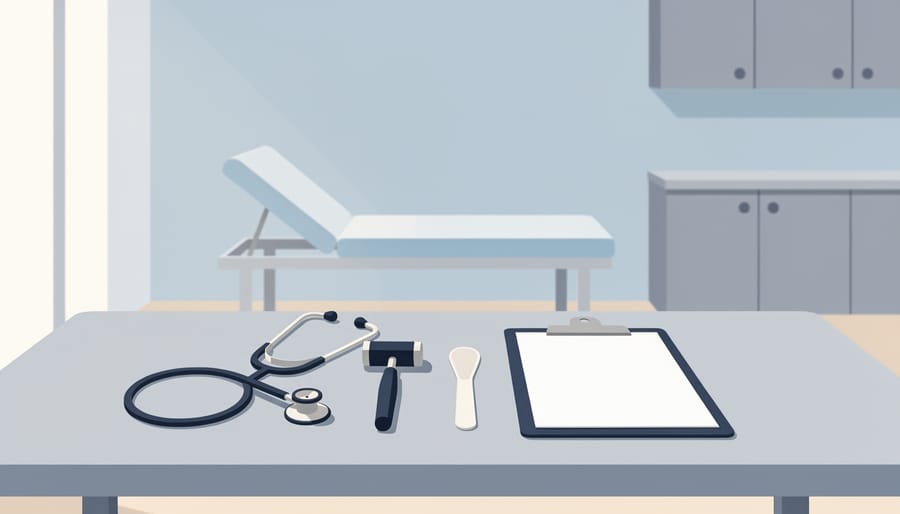
The diagnostic journey begins with a thorough conversation between you and your doctor about your symptoms and menstrual history. Your gynecologist will ask detailed questions about the timing, intensity, and patterns of your pelvic pain. They’ll want to know when your pain started, whether it worsens during your period, and if certain activities like intercourse or bowel movements trigger discomfort. Be specific about painful periods, is the pain manageable with over-the-counter medication, or does it keep you home from work or school?
Your doctor will also explore other symptoms that might seem unrelated but are common with endometriosis: painful urination or bowel movements, heavy bleeding, fatigue, and fertility challenges. This is why keeping a symptom diary before your appointment proves invaluable. Track your pain levels daily, note what makes symptoms better or worse, and record how pain affects your quality of life. Women who arrive with detailed symptom logs often help their doctors identify patterns that point toward endometriosis rather than other conditions. This documentation becomes especially important if you’ve been dismissed by other providers, concrete records make it harder for concerns to be minimized and demonstrate the persistence of symptoms over time.
Physical and Pelvic Examinations
During a pelvic exam, your gynecologist performs both an external and internal assessment to look for physical signs of endometriosis. You’ll lie on an exam table while the doctor visually inspects your external pelvic area, then inserts gloved fingers into the vagina while pressing on your abdomen with the other hand. This bimanual technique lets them feel for abnormalities.
What they’re checking for: tenderness or pain in specific areas, particularly behind the uterus in the cul-de-sac (the space between the uterus and rectum where endometriosis commonly grows). They’re also feeling for enlarged ovaries that might indicate endometriomas (chocolate cysts), nodules along the uterosacral ligaments, or areas of scarring that create fixation between organs.
The exam has real limitations. Many women with endometriosis have completely normal pelvic exams, especially if the disease is in its earlier stages or located where it can’t be felt manually. Lesions on the peritoneum, bladder surface, or bowel often can’t be detected this way. That’s why a normal pelvic exam doesn’t rule out endometriosis, and further investigation may still be needed if your symptoms strongly suggest the condition.
Imaging Tests: Ultrasound and MRI
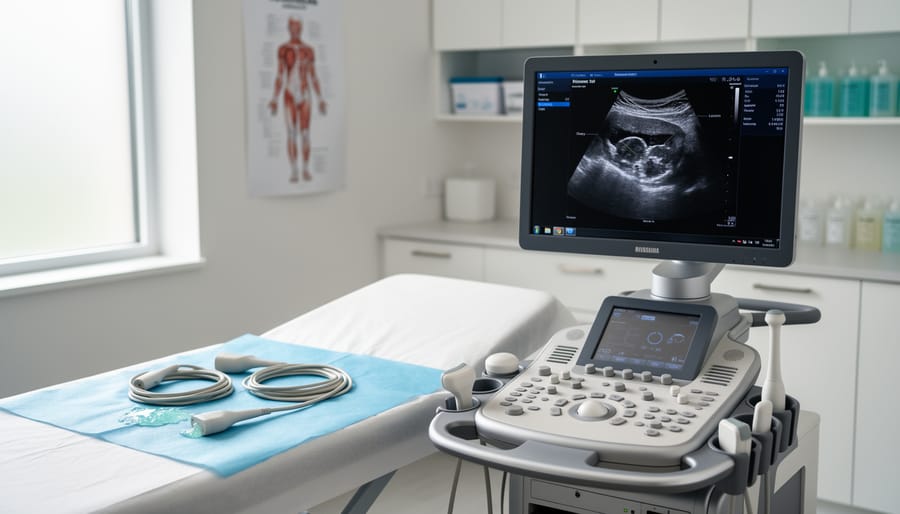
Transvaginal ultrasound (TVUS) and MRI serve as valuable imaging tools in the diagnostic process, though they can’t replace laparoscopy for definitive diagnosis. TVUS excels at identifying endometriomas (often called “chocolate cysts”) on the ovaries and can detect deep infiltrating endometriosis in specific locations like the bladder or bowel. Your doctor might use this non-invasive test early in the diagnostic journey, as it’s widely available and doesn’t require radiation. However, the limitations of TVUS mean it often misses superficial endometrial lesions and smaller implants that can still cause significant symptoms.
MRI provides more detailed images and can better visualize deep infiltrating disease, particularly in the pelvis. It’s especially useful when surgery is being planned, helping surgeons map out exactly where endometriosis has spread. That said, not all endometriosis can be seen on ultrasound or MRI. Both tests can return normal results even when endometriosis is present, which is why many women report feeling dismissed when imaging comes back clear despite ongoing pain.
Laparoscopy: The Diagnostic Gold Standard
Laparoscopy remains the only way to definitively diagnose endometriosis. While imaging tests can identify some signs of the condition, only a laparoscopy allows your surgeon to directly visualize endometrial-like tissue growing outside the uterus and obtain a biopsy for laboratory confirmation.
During this minimally invasive surgical procedure, you’ll be under general anesthesia. Your surgeon makes small incisions in your abdomen, typically around your belly button and lower abdomen, and inserts a thin, lighted camera called a laparoscope. This allows them to examine your pelvic organs, identify endometrial implants, check for adhesions or scar tissue, and assess the extent of the disease. If they find suspicious tissue, they’ll take samples for pathological examination. Many surgeons also remove visible endometriosis during the same procedure, which can provide symptom relief.
Recovery is generally quicker than with traditional open surgery. You’ll likely feel sore and bloated for a few days, particularly around the incision sites and in your shoulders (from the gas used to inflate your abdomen during surgery). Most women can return to light activities within a few days and resume normal routines within one to two weeks, though this timeline varies depending on what was found and treated during the procedure.
The need for surgery to confirm endometriosis is why the diagnostic journey can feel frustrating. It’s an invasive step that requires careful consideration, scheduling, and recovery time. This is precisely why detailed symptom documentation and thorough preliminary evaluations matter, they help ensure that when you do undergo laparoscopy, it’s truly warranted and performed by a surgeon experienced in recognizing and treating endometriosis.
What Reddit Communities Say About Getting Diagnosed
The Long Road to Diagnosis: Reddit Users’ Timelines
Scroll through r/Endo or r/endometriosis, and one theme dominates: the years it takes to get diagnosed. Many Reddit users report waiting five, eight, even ten years between first symptoms and confirmation. One user writes about being told her debilitating periods were “just bad cramps” through her entire twenties. Another shares visiting six different doctors before finding one who suggested endometriosis.
Commonly shared experiences include being dismissed as “dramatic” or hearing that painful periods are normal. Women describe being prescribed birth control to mask symptoms without investigation into the underlying cause. Others recount misdiagnoses, IBS, anxiety, even “stress”, before someone finally listened.
The validation these communities provide matters. When your pain has been minimized for years, reading hundreds of similar stories confirms you’re not imagining it. Users frequently encourage each other to persist, to know the warning signs that warrant specialist referral, and to trust their own experiences.
This diagnostic delay isn’t just frustrating, it’s a broader issue in women’s health advocacy. Reddit threads highlight how women’s pain is too often discounted, creating barriers to timely diagnosis and treatment. The community’s collective voice pushes back against that pattern, offering both support and practical strategies for navigating a system that doesn’t always take women’s symptoms seriously.
Finding the Right Doctor: Community Recommendations
One of the most valuable insights shared across Reddit endometriosis communities is how to identify healthcare providers who truly understand this complex condition. Women frequently emphasize the difference between a general gynecologist and a specialist who has dedicated training in endometriosis excision surgery. Many Reddit users recommend seeking reproductive endocrinologists or gynecologists who list endometriosis as a specific focus area, noting that these specialists are more likely to take symptoms seriously and pursue proper diagnosis rather than dismissing pain as normal.
Community members consistently share practical tips for evaluating potential doctors:
- Ask how many endometriosis surgeries they perform annually and what excision techniques they use
- Watch for red flags like dismissing your pain, immediately suggesting birth control without investigation, or refusing to consider laparoscopy
- Bring documented symptom records to appointments and insist they be reviewed thoroughly
- Request a second opinion if your concerns are minimized or you feel unheard
- Look for doctors who listen more than they talk and who validate your experience
Reddit users stress the importance of self-advocacy, sharing stories of finding the right provider after multiple dismissive appointments. The community often recommends Nancy’s Nook (though not a substitute for medical advice) as a resource for locating vetted specialists in various regions. Women encourage each other to trust their instincts when a doctor makes them feel dismissed, reminding one another that persistent, debilitating pain is never “just bad periods” and deserves thorough investigation. The collective wisdom emphasizes that finding a knowledgeable, compassionate provider can dramatically change the diagnostic timeline and quality of care.
Symptom Tracking Tips from the Reddit Community
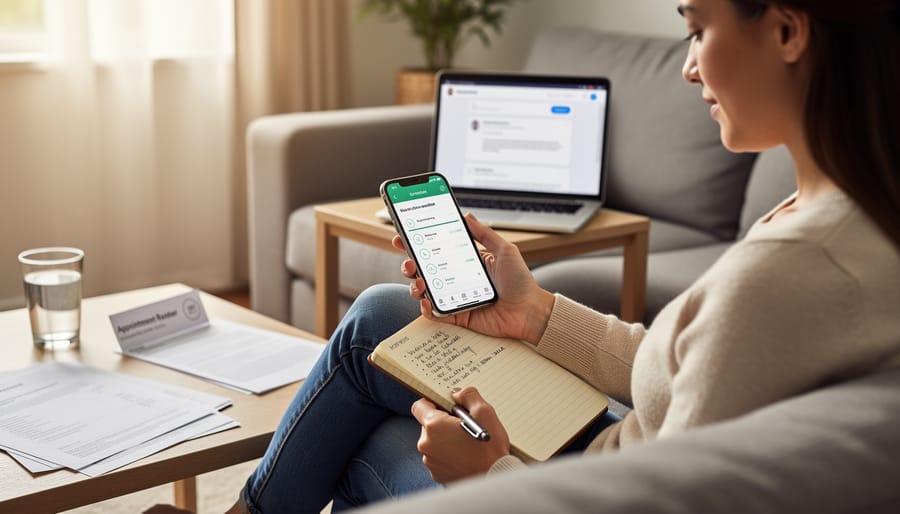
Women in Reddit’s endometriosis communities frequently emphasize that detailed symptom tracking became crucial in getting doctors to take their concerns seriously. Instead of vague mentions of pain, users recommend creating specific daily logs that document pain intensity on a numerical scale, exact timing relative to your menstrual cycle, what triggers symptoms, and how pain affects daily activities like work or sleep.
Many Reddit users discuss using period-tracking apps that allow custom symptom entries, though some prefer simple notebooks or spreadsheets where they can add more context. The key advice shared repeatedly: record everything, even symptoms that seem unrelated. Community members report that bringing months of documented patterns to appointments helped overcome dismissal, particularly when they could show consistent cyclical pain that wasn’t just “bad periods.”
Users also recommend photographing your tracking records or creating summary sheets before appointments, since scrolling through months of data during a short visit isn’t practical. Several women share that their documented evidence directly led to referrals for imaging or laparoscopy after previous doctors had minimized their symptoms. This kind of preparation, the community suggests, transforms subjective complaints into objective data that’s harder for providers to ignore.
Preparing for Laparoscopy: Shared Experiences
Women preparing for diagnostic laparoscopy often turn to Reddit communities for real-world guidance beyond what their doctors provide. One of the most common themes shared in r/Endo is wishing they’d asked their surgeons more questions beforehand. Community members recommend asking about the surgeon’s experience specifically with excision versus ablation techniques, whether they’ll document findings with photos, and what happens if endometriosis is found during the procedure.
Reddit users emphasize practical preparation that doctors sometimes overlook. Many suggest stocking up on loose, high-waisted clothing, peppermint tea for post-surgery gas pain, and stool softeners before the procedure. Several threads discuss the importance of arranging help for at least the first few days, as recovery can be more challenging than anticipated. One frequently shared piece of advice is to prepare your space at home with everything at waist level, since bending and reaching can be painful.
The emotional side gets significant attention in these communities. Women share that they felt anxious before surgery but found comfort in the validation that would come with a confirmed diagnosis. Many describe the mixed feelings when endometriosis is found, relieved to finally have an answer but facing the reality of a chronic condition.
Reddit threads consistently highlight that recovery experiences vary widely. Some women return to light activities within days, while others need weeks. The community stresses listening to your body and not comparing your recovery to anyone else’s timeline, offering the patient support many wish they’d had from the start.
When Symptoms Are Dismissed: Validation and Support
One of the most powerful aspects of Reddit’s endometriosis communities is the validation women find when sharing experiences of medical dismissal. Women frequently post about being told their severe pain is “just bad periods” or “all in your head”, experiences that resonate deeply with thousands of other members who’ve faced similar minimization of their symptoms.
These communities create space for women to name medical gaslighting and recognize patterns in how their concerns were brushed aside. Reading others’ stories helps women understand their pain is real and their instinct to seek answers is justified, even when previous doctors suggested otherwise.
This peer validation often becomes the fuel women need to continue advocating for themselves. Members encourage each other to find new providers, bring detailed symptom records to appointments, and explicitly request referrals to endometriosis specialists. The collective voice saying “keep going, you deserve to be heard” helps women persist through multiple consultations until they find doctors who take their symptoms seriously and pursue proper diagnostic steps.
Why Early Diagnosis Matters for Your Health
Getting diagnosed sooner rather than later can make a real difference in how endometriosis affects your long-term health. When the condition goes undiagnosed for years, endometrial-like tissue continues to grow, causing inflammation and the formation of scar tissue that can damage your reproductive organs. This scarring, called adhesions, can bind organs together and lead to chronic pain that becomes harder to manage over time.
Early diagnosis opens the door to treatment options that can slow disease progression and preserve your fertility. If you’re hoping to have children someday, catching endometriosis before extensive scarring develops gives you more options. Untreated endometriosis can distort pelvic anatomy and block fallopian tubes, making conception more difficult. While endometriosis doesn’t make pregnancy impossible, addressing it earlier helps protect your reproductive health.
Beyond the physical complications, living with undiagnosed pain takes a serious toll on your quality of life. Many women in Reddit communities describe years of debilitating symptoms affecting their work, relationships, and mental health before finally getting answers. The validation that comes with a diagnosis matters. It confirms that your pain is real, not imagined or exaggerated.
Getting diagnosed also connects you to resources and support systems you might not have known existed. Once you have a name for what you’re experiencing, you can access specialized care, find communities of women who understand, and make informed decisions about your treatment path. That knowledge is empowering.
The diagnostic journey reflects a broader issue in women’s health: too often, our pain isn’t taken seriously. Fighting for an endometriosis diagnosis means fighting to be heard and believed. When you persist in seeking answers despite obstacles, you’re not just helping yourself. You’re part of a larger movement pushing the medical community to do better for all women experiencing reproductive health issues.
Expert Perspective: Improving the Diagnostic Process
Medical experts recognize that the current diagnostic pathway for endometriosis remains frustratingly inadequate for many women. The reliance on laparoscopy as the gold standard creates a significant barrier, not every woman with symptoms can access or undergo surgery, and diagnostic delays persist while doctors and patients navigate imaging limits and symptom assessment alone.
Gynecologists specializing in endometriosis point to several systemic issues that prolong diagnosis. Too often, women’s pain gets normalized or attributed to other conditions first. Medical training has historically devoted limited time to endometriosis, leaving some general practitioners less equipped to recognize the condition early. The lack of a simple, non-invasive test means diagnosis depends heavily on clinical suspicion and the patient’s ability to articulate symptoms clearly.
Research efforts are now focused on developing biomarkers that could identify endometriosis through blood tests or other non-invasive methods. Scientists are investigating specific proteins, inflammatory markers, and genetic patterns that might signal the disease without requiring surgery. While promising work continues in this area, no validated biomarker test has yet achieved the accuracy needed for clinical use.
Meanwhile, experts emphasize improving what we can control now: better education for healthcare providers about recognizing endometriosis symptoms, encouraging thorough pelvic exams, and using advanced imaging techniques more effectively. Specialized ultrasound performed by trained sonographers can detect more cases than standard scans, though it still can’t rule out the condition entirely.
The medical community increasingly acknowledges that listening to women and taking their pain seriously represents the most critical first step. When doctors approach symptoms with appropriate concern rather than dismissal, the path to diagnosis shortens considerably, sparing women years of unnecessary suffering.
Common Questions About Endometriosis Diagnosis
Can you diagnose endometriosis without surgery?
While doctors can suspect endometriosis based on symptoms, physical examination, and imaging like ultrasound or MRI, laparoscopic surgery with tissue biopsy remains the only way to definitively confirm the diagnosis. Many women in Reddit communities share experiences of being treated for suspected endometriosis without surgery, though this approach may miss the complete picture of their condition.
How accurate are ultrasounds for detecting endometriosis?
Transvaginal ultrasounds can identify endometriomas (chocolate cysts on ovaries) and some deep infiltrating endometriosis, but they miss superficial peritoneal implants, which are common. Women on Reddit frequently report having clear ultrasounds despite significant endometriosis found during later surgery, highlighting why imaging alone isn’t sufficient for ruling out the condition.
What if my doctor won’t refer me for laparoscopy?
Reddit community members often advise getting a second opinion from a gynecologist who specializes in endometriosis or a reproductive endocrinologist. Document your symptoms thoroughly, explain how they impact your daily life, and directly request referral to a specialist. If dismissed repeatedly, seeking a different provider who takes your concerns seriously is a common recommendation from women who’ve navigated this frustrating situation.
What are the first signs of endometriosis I should watch for?
The most commonly reported early signs include progressively worsening period pain that doesn’t respond well to over-the-counter medication, pain during or after intercourse, chronic pelvic pain between periods, painful bowel movements or urination during menstruation, and fertility difficulties. Some women also experience fatigue, digestive issues, and pain that radiates to their legs or lower back.
Beyond these common questions, women on Reddit often ask about the overlap between endometriosis symptoms and other conditions. The confusion is understandable since perimenopause and symptoms like irregular periods and increased pain can sometimes mask or complicate endometriosis diagnosis, particularly for women in their late thirties and forties.
Another frequently discussed concern in Reddit communities involves insurance coverage. Coverage for diagnostic laparoscopy varies widely depending on your insurance plan and location, and many women share stories of fighting for approval or managing unexpected costs. Calling your insurance provider before scheduling surgery to understand your specific coverage, deductibles, and whether the procedure requires pre-authorization can save significant stress later.
The question of what to do when lab work and imaging come back normal despite debilitating symptoms comes up repeatedly in Reddit discussions. This scenario leaves many women feeling gaslit or doubting themselves. Community members emphasize that normal test results don’t mean your pain isn’t real or that endometriosis isn’t present, they mean the current tests can’t detect it. Persistence in seeking answers and finding a doctor who believes you makes all the difference in finally getting the diagnosis and treatment you need.
Getting diagnosed with endometriosis can feel like an uphill battle, but you don’t have to face it alone. Your experiences are valid, your pain is real, and you deserve answers. If you suspect endometriosis, trust what your body is telling you and persist in seeking a proper diagnosis, even when others downplay your symptoms.
Communities like Reddit’s endometriosis forums can offer valuable support, validation, and practical tips from women who’ve walked this path before you. While these communities shouldn’t replace professional medical advice, they provide the peer connection and encouragement many women need to keep advocating for themselves. The shared experiences you’ll find there remind you that diagnostic delays and dismissive responses aren’t your fault, and they can empower you to ask better questions and find more knowledgeable providers.
Finding a healthcare provider who specializes in endometriosis and truly listens to your concerns makes all the difference. Don’t hesitate to seek second opinions or switch doctors if you’re not being heard. Keep detailed records of your symptoms, come prepared with questions, and stand firm in requesting the diagnostic tests and referrals you need.
A diagnosis isn’t the end; it’s the beginning of effective management and reclaiming your quality of life. Taking charge of your health means being your own best advocate, seeking proper diagnosis, and connecting with others who understand. You deserve care that takes your pain seriously and helps you move forward.