
 dorris
Your heart doesn’t work the same way as a man’s, and the differences can be life-saving to understand. Women experience cardiovascular conditions with distinct symptoms, face unique risk factors tied to pregnancy and menopause, and often receive delayed diagnoses because traditional research has focused primarily on male patients. Recognizing these differences gives you the power to advocate for yourself, spot warning signs early, and work with your healthcare team to protect your heart.
The stakes are real. The heart attack numbers show that cardiovascular disease remains a leading health threat for Canadian women, yet many of us still think of it as something that primarily affects men. That misconception can be dangerous. Women’s heart attack symptoms frequently look nothing like the classic chest-clutching scenario you’ve seen on television. Instead, you might feel overwhelming fatigue, nausea, shortness of breath, or pain in your jaw, neck, or back.
This isn’t about creating fear. It’s about filling a knowledge gap that has existed for far too long in medical research and care. Understanding how hormones, pregnancy complications, and conditions like endometriosis affect your cardiovascular risk puts you in control. You can have informed conversations with your doctor, recognize when something feels wrong, and take concrete steps to strengthen your heart health today. Your heart deserves the same attention and understanding you give to every other part of your wellbeing.
Why Women’s Hearts Are Different
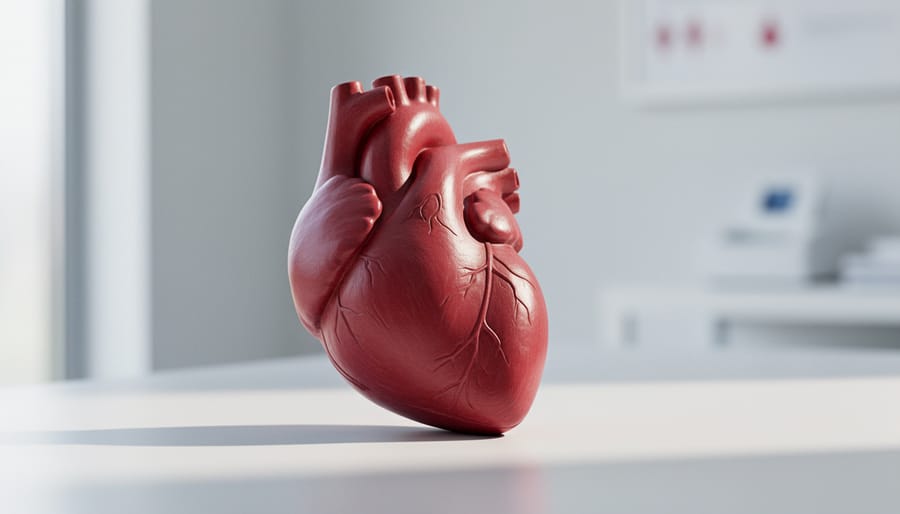
Women’s hearts aren’t simply smaller versions of men’s hearts. They’re uniquely structured, function differently, and respond to disease in distinct ways that can fundamentally change how cardiovascular problems develop and present themselves.
On average, a woman’s heart weighs about two-thirds what a man’s heart weighs and pumps less blood with each beat. Her coronary arteries, the blood vessels that supply oxygen to the heart muscle itself, are narrower. When blockages form, they often develop differently too. While men typically experience large blockages in major arteries, women are more likely to develop disease in the smaller vessels, a condition called microvascular disease that standard tests can miss entirely.
The walls of women’s arteries are also more prone to spontaneous tearing, a condition called spontaneous coronary artery dissection or SCAD. This can cause a heart attack without the traditional plaque buildup, and it strikes younger women more often than older ones, particularly around pregnancy and the postpartum period.
Hormones play a starring role in these differences. Estrogen offers some protective effects on blood vessels before menopause, helping them stay flexible and responsive. After menopause, when estrogen levels drop, women’s cardiovascular risk accelerates. This hormonal shift affects how cholesterol moves through the body, how blood pressure responds to stress, and how blood vessels function day to day.
These biological realities matter because most heart disease research has historically focused on men. Diagnostic criteria, treatment protocols, and even the medications prescribed were developed primarily from studies of male participants. When a woman walks into an emergency room with chest discomfort, the assessment tools being used may not be calibrated for her physiology. When heart disease kills Canadian women at alarming rates, understanding these fundamental differences becomes not just interesting biology but potentially lifesaving knowledge.
Recognizing Women’s Heart Attack Symptoms

The Classic Signs You Might Not Experience
When most people picture a heart attack, they envision someone clutching their chest in sudden, crushing pain. That image comes from the classic presentation more commonly seen in men: intense pressure or squeezing in the centre of the chest, pain radiating down the left arm, and perhaps cold sweats or a feeling of impending doom. These are real symptoms, and some women do experience them. But here’s what matters: many women having a heart attack don’t get this textbook warning. Their hearts signal distress differently, and because these classic signs have dominated public awareness and even medical training for decades, women’s actual symptoms can be dismissed or misread as something less urgent. Understanding that you might not feel what you’ve been taught to expect is the first step in recognizing when your heart needs help.
Symptoms Women Are More Likely to Experience
Women often experience heart attacks very differently than the textbook presentation. While chest discomfort can occur, many women have atypical heart attack symptoms in women that can be subtle and easy to dismiss. Recognizing these signs could save your life.
- Unusual fatigue that feels overwhelming, even after rest, sometimes appearing days or weeks before a heart attack
- Shortness of breath without exertion, making ordinary activities feel difficult
- Nausea, indigestion, or vomiting that seems unrelated to food
- Pain or discomfort in the jaw, neck, shoulder, or upper back
- Dizziness or lightheadedness that comes on suddenly
- Cold sweats or clamminess without an obvious cause
- A general sense that something is wrong, even if you can’t pinpoint it
These symptoms can appear alone or in combination, and they may come and go rather than persisting constantly. Many women describe feeling “off” or unusually tired in the days leading up to a heart attack. The key is trusting your instincts. If something feels wrong or different about your body, especially if you have risk factors for heart disease, don’t wait to seek help. Call emergency services immediately rather than trying to tough it out or waiting to see if symptoms pass.
Sarah’s Story: When Fatigue Meant More
Sarah Matthews was 52 when she started feeling unusually tired. Not the kind of tiredness that comes from a busy day, this was a profound exhaustion that made even walking to her mailbox feel like climbing a mountain. She brushed it off as stress from work and getting older. Then came the nausea and an odd ache in her jaw that she assumed was a dental problem.
It wasn’t until her daughter, who’d recently read about atypical warning signs in women, urged her to go to the emergency room that Sarah discovered she was having a heart attack. “I kept thinking, this can’t be my heart, I don’t have chest pain,” she recalls. But the tests confirmed it. Her quick action, prompted by her daughter’s awareness, made all the difference in her cardiac survival and recovery. Today, Sarah shares her story to help other women recognize that heart attacks don’t always announce themselves the way we expect.
Risk Factors That Affect Women Differently
Pregnancy and Heart Health
Pregnancy can reveal clues about a woman’s long-term heart health that might otherwise go unnoticed for decades. Complications like preeclampsia, marked by high blood pressure and organ stress, and gestational diabetes don’t simply disappear after delivery. Research shows that women who develop preeclampsia face significantly elevated future cardiovascular risk after preeclampsia with heightened chances of hypertension and heart disease later in life. Gestational diabetes similarly signals increased risk for type 2 diabetes and cardiovascular problems down the road.
These pregnancy complications act as a cardiovascular stress test, exposing vulnerabilities in your heart and blood vessels that warrant attention. If you experienced either condition, let your doctor know, even years later. Regular monitoring of blood pressure, blood sugar, and cholesterol becomes especially important. Think of your pregnancy history as valuable information your healthcare team needs to assess your overall heart disease risk and create a personalized prevention plan.
Menopause and Cardiovascular Changes
Menopause marks a turning point for heart health. Before menopause, estrogen provides some protection to your cardiovascular system by helping maintain flexible blood vessels and healthy cholesterol levels. As estrogen declines during and after menopause, this protective effect diminishes, and your risk of developing heart disease increases.
You might notice changes in cholesterol levels, with LDL (the “bad” cholesterol) often rising while HDL (the “good” cholesterol) may drop. Blood pressure can also creep up during this time. These shifts don’t mean heart disease is inevitable, but they do signal that it’s time to pay closer attention to cardiovascular wellness.
Talk with your doctor about your individual risk factors and whether you need more frequent monitoring of blood pressure and cholesterol. Some women benefit from medication to manage these changes, while others find that adjusting diet, increasing physical activity, managing stress, and maintaining a healthy weight make a significant difference. The transition through menopause is an ideal time to strengthen heart-healthy habits that will serve you for decades to come.
Conditions That Impact Women’s Hearts More
Several health conditions carry particularly significant implications for women’s cardiovascular health, though the exact degree of impact varies for each individual. That’s why a personalized conversation with your healthcare provider is essential.
Autoimmune disorders like lupus and rheumatoid arthritis are more common in women and are associated with increased heart disease risk, likely due to chronic inflammation affecting blood vessels. If you have an autoimmune condition, your doctor should include cardiovascular monitoring as part of your care plan.
Depression affects women’s heart health in ways researchers are still working to fully understand. The relationship appears bidirectional, depression can increase cardiovascular risk, while heart problems can contribute to depression. This connection underscores the importance of addressing mental health as part of your overall wellness.
Diabetes impacts women’s cardiovascular systems differently than men’s, with research suggesting women with diabetes face disproportionately higher heart disease risk. Managing blood sugar levels becomes crucial not just for diabetes control but for protecting your heart.
Smoking remains one of the most significant modifiable risk factors, and evidence suggests it may be particularly harmful to women’s hearts. If you smoke, quitting is perhaps the single most powerful step you can take for your cardiovascular health.
Your unique combination of risk factors matters more than any single statistic. Schedule time with your healthcare provider to assess your personal risk profile and create a prevention strategy tailored to your specific situation.
The Gender Gap in Heart Disease Research and Care
For decades, women have been significantly underrepresented in cardiovascular research studies. Most early heart disease research focused primarily on men, and the findings were then applied to women as if our bodies responded identically. This research gap has had real consequences: diagnostic tools, treatment protocols, and even the medications prescribed were developed and tested predominantly on male subjects.
The impact shows up in everyday medical care. Standard heart disease tests may be less accurate for women because they were validated mainly in men. Treatment guidelines historically didn’t account for how women’s bodies might respond differently to medications or procedures. Even the classic heart attack symptoms taught in medical schools were based on male presentations, leaving many healthcare providers less prepared to recognize women’s atypical warning signs.
This isn’t just history. Women today still face challenges getting their cardiovascular symptoms taken seriously. When a woman presents with fatigue, nausea, or back pain, these complaints may be dismissed or attributed to anxiety rather than investigated as potential heart issues. The real stories of women who survived cardiac events often include frustrating experiences of not being believed or having their symptoms minimized.
The encouraging news is that awareness is growing. Medical organizations now require more inclusive research practices. Advocacy groups are pushing for better education about women’s heart health in medical training. Healthcare providers are increasingly recognizing that heart disease presents differently in women and requires a gendered approach to care.
What this means for you: understand that you may need to be persistent when discussing heart health concerns with your doctor. Come prepared with specific symptoms, ask direct questions about your cardiovascular risk, and don’t accept dismissal if something feels wrong. The system is improving, but women often still need to advocate firmly for appropriate cardiac evaluation and care.
Taking Charge of Your Heart Health

Lifestyle Changes That Make a Difference
Small, consistent changes to your daily habits can protect your heart more effectively than dramatic overhauls that are hard to maintain. Focus on building a foundation that works with your life, not against it.
Start with movement that feels manageable. You don’t need to run marathons or spend hours at the gym. A 30-minute walk most days of the week strengthens your heart, and breaking it into three 10-minute walks counts too. Find activities you genuinely enjoy, whether that’s dancing, gardening, swimming, or playing with your kids. The best exercise is the one you’ll actually do.
When it comes to nutrition, think about adding heart-healthy foods rather than obsessing over what to cut out. Include more vegetables, fruits, whole grains, and omega-3 rich fish like salmon. Small swaps make a difference: choose olive oil over butter, snack on nuts instead of chips, or add berries to your morning routine. You don’t need a perfect diet; you need one you can sustain.
Stress management matters more for women’s heart health than many realize. Chronic stress affects your blood pressure, sleep, and inflammation levels. Find what helps you decompress, whether that’s ten minutes of deep breathing, a phone call with a friend, or a hobby that takes your mind off worries. Even brief daily practices add up over time.
Quality sleep is foundational, not optional. Aim for seven to eight hours most nights, and talk to your doctor if you’re consistently falling short or snoring heavily, as sleep apnea increases heart disease risk.
Screening and Prevention
Regular heart health screenings are your best defence for catching problems early. Start by knowing your baseline numbers: blood pressure, cholesterol levels, and blood sugar. These three measurements form the foundation of cardiovascular risk assessment.
Blood pressure should be checked at least once every two years starting in your twenties if your numbers are normal. If you have risk factors like family history or previous high readings, annual checks make more sense. Cholesterol screening typically begins around age twenty for those with risk factors, or by age forty-five for everyone else. Your doctor may recommend testing earlier if you have conditions that affect heart health.
Blood sugar testing becomes important starting in your thirties, particularly if you’re overweight or have a family history of diabetes. During pregnancy, gestational diabetes screening is standard, and those results matter beyond your pregnancy, they signal your future cardiovascular risk.
Ask your doctor which screenings you need and how often, based on your personal and family history. If you’ve had pregnancy complications like preeclampsia or gestational diabetes, mention them. These events change your screening timeline and warrant closer monitoring. Don’t wait for symptoms to appear. Prevention means catching changes before they become problems.
Advocating for Yourself in Healthcare Settings
Speaking up for your heart health is just as important as making lifestyle changes. Many women report feeling dismissed when they raise concerns about cardiovascular symptoms, especially when they don’t fit the “classic” heart attack profile.
Before your appointment, write down your symptoms with specific details: when they occur, how long they last, and what makes them better or worse. Be direct about your concerns. Instead of saying “I think something might be wrong,” try “I’m experiencing chest tightness and unusual fatigue, and I’m worried about my heart.”
Ask pointed questions: “What tests can rule out heart disease?” “Given my family history and risk factors, what should we be monitoring?” If you feel your concerns aren’t being heard, it’s okay to say, “I need you to take this seriously” or request a referral to a cardiologist.
Bring a friend or family member if you’re nervous. They can take notes and help ensure your questions get answered. Remember, you’re the expert on your own body. Trust your instincts, and don’t hesitate to seek a second opinion if you feel your symptoms warrant further investigation.

Maria’s Journey: Finding Her Voice
Maria had always taken pride in being strong and capable. When she began feeling unusually tired and short of breath during her daily walks, she brushed it off as stress from work and getting older. At her annual checkup, she mentioned the symptoms almost as an afterthought. Her doctor nodded but focused on her routine bloodwork instead.
It wasn’t until Maria’s daughter urged her to push harder that something changed. At her next appointment, Maria came prepared with a list of her symptoms and specific questions about her heart health. She told her doctor she’d been reading about women’s heart disease and wanted her concerns taken seriously. Her doctor ordered an electrocardiogram and stress test, which revealed early signs of coronary artery disease.
“I realized I had been minimizing my own symptoms because I didn’t want to seem difficult,” Maria reflects. “But speaking up probably saved my life.” Now she works closely with her cardiologist, asks questions until she understands her treatment plan completely, and encourages other women to trust their instincts and demand the care they deserve.
Common Questions About Women’s Heart Health
Should I worry about heart disease if it runs in my family?
Yes, family history is an important risk factor to discuss with your doctor. If a close female relative had heart disease before age 65, your risk increases, and you may benefit from earlier or more frequent screening.
Can birth control pills affect my heart health?
Certain types of hormonal contraception can slightly increase cardiovascular risk, especially if you smoke, are over 35, or have high blood pressure. Talk with your healthcare provider about which birth control options are safest for your specific situation.
Is it safe to exercise if I have heart disease risk factors?
Physical activity is generally beneficial for heart health, even with risk factors present. Your doctor can help you determine what type and intensity of exercise is appropriate for you, and whether you need any testing before starting a new program.
When should I see a cardiologist instead of just my regular doctor?
Consider asking for a cardiology referral if you have multiple risk factors, a strong family history of early heart disease, symptoms that concern you, or if you’ve had pregnancy complications like preeclampsia. Your primary care provider can help determine if specialist care would benefit you.
Beyond these common questions, many women wonder whether stress alone can cause heart problems. While stress doesn’t directly cause heart disease, chronic stress affects your cardiovascular system through elevated blood pressure, inflammation, and behaviors like poor sleep or emotional eating. Managing stress through whatever works for you, whether that’s meditation, exercise, therapy, or simply setting boundaries, is a genuine investment in your heart health.
Another frequent concern involves weight and heart health. Rather than fixating on a number on the scale, focus on overall metabolic health. Where you carry weight matters more than total weight, with abdominal fat posing greater cardiovascular risk. Small, sustainable changes in eating patterns and activity levels benefit your heart regardless of whether they produce dramatic weight loss. What your body can do matters more than what it looks like.
Women also ask whether heart disease is preventable or simply inevitable with age. While you can’t change your genetics or turn back time, heart disease is not an unavoidable consequence of getting older. The lifestyle choices you make, the screenings you pursue, and how well you manage conditions like high blood pressure or diabetes significantly influence your cardiovascular trajectory. Taking action today, even small steps, makes a real difference in your heart’s future.
Understanding your heart health isn’t just about knowing the risks, it’s about recognizing that you have the power to make meaningful changes. Every conversation you start with your doctor, every question you ask about your symptoms, and every choice you make toward a healthier lifestyle matters. Your heart is counting on you to be its best advocate.
Share what you’ve learned with the women in your life. Talk about heart health over coffee, bring it up at family gatherings, and don’t shy away from discussing those subtle symptoms that too often get dismissed. The more we talk openly about women’s cardiovascular health, the harder it becomes for anyone to ignore or minimize our concerns.
Schedule that appointment you’ve been putting off. Ask your healthcare provider about your specific risk factors and what screenings make sense for you. Bring a list of questions and don’t leave until you feel heard and understood. You deserve care that recognizes your unique needs as a woman.
The landscape of women’s heart health is changing because women like you are demanding better research, more awareness, and equal treatment. Every time you prioritize your heart health, you’re not just protecting yourself, you’re part of a larger movement closing the gender gap in cardiovascular care. Your heart matters, your voice matters, and your health is worth fighting for.