
 dorris
Perimenopause, the transitional phase before menopause, brings a constellation of symptoms that often catch women off guard: irregular periods, hot flashes, night sweats, brain fog, mood swings, sleep disruption, and changes in metabolism. These symptoms typically begin in your 40s, though some women notice them earlier, and they signal a critical window for your long-term health, particularly your cardiovascular system.
What many women don’t realize is that the hormonal shifts of perimenopause directly affect heart health. Estrogen, which has been protecting your blood vessels and helping regulate cholesterol, begins to fluctuate and decline. This makes the perimenopausal years a turning point: the choices you make now, from how you eat to how you move to how you manage stress, can set the trajectory for decades to come.
When I started experiencing symptoms in my mid-40s, I assumed the exhaustion and mental cloudiness were just part of getting older. It wasn’t until I spoke with my doctor that I understood I was experiencing perimenopause, and that this phase could last anywhere from a few months to several years. More importantly, I learned that while these symptoms can feel overwhelming, they’re also manageable when you have the right information and support.
Most women will spend more than a third of their lives post-menopause. That’s why recognizing perimenopause symptoms isn’t about passively waiting out an uncomfortable phase. It’s about understanding what’s happening in your body and taking proactive steps that support both immediate relief and long-term wellness, especially for your heart.
Understanding Pre Menopause: The Transition Your Body Is Making
Perimenopause is the transitional phase when your body gradually shifts from reproductive years toward menopause. During this time, your ovaries produce fluctuating amounts of estrogen and progesterone, creating the wide range of symptoms many women experience. This transition typically lasts between four and eight years, though the timeline varies considerably from woman to woman.
Understanding when perimenopause begins helps you recognize what’s happening in your body. For most women, this transition starts in their 40s, though some notice changes as early as their mid-30s or as late as their early 50s. You’re officially in menopause when you’ve gone twelve consecutive months without a period, marking the end of perimenopause.
What makes this phase particularly important is that most women will spend more than a third of their lives post-menopause. The choices you make during perimenopause have lasting effects on your long-term health, especially your cardiovascular wellness. Research shows that menopause-related dysfunction and disease are largely preventable if women make lifestyle changes early in life.
Here’s the empowering news: even if you’re already experiencing symptoms, they’re manageable. Your body isn’t failing you during this transition. It’s signaling that it’s time to pay closer attention to certain aspects of your health. The physical and cognitive changes you might notice aren’t inevitable declines you must simply accept.
Think of perimenopause as your body’s way of opening a critical window for proactive health decisions. The hormonal shifts happening now affect your metabolism, bone density, cardiovascular function, and brain health. Recognizing these changes early gives you the opportunity to respond with targeted lifestyle adjustments that protect your heart and overall wellbeing for decades to come.
Physical Signs Your Body Is Entering Perimenopause

Your body gives clear signals when perimenopause begins, though many women don’t immediately recognize what’s happening. The physical changes often start subtly and build over time, affecting nearly every system in your body.
The most recognizable sign is menstrual irregularity. Your periods may come closer together or spread further apart. Flow can become heavier or lighter, sometimes unpredictably. You might skip a month entirely, then have two periods in quick succession. This irregularity reflects fluctuating hormone levels as your ovaries begin producing less estrogen.
Hot flashes and night sweats affect roughly 75% of perimenopausal women. These sudden waves of heat can last from seconds to several minutes, often accompanied by sweating, flushing skin, and rapid heartbeat. Night sweats are simply hot flashes that occur during sleep, but they’re particularly disruptive because they fragment sleep patterns and leave you exhausted.
Sleep disturbances extend beyond night sweats. Many women report difficulty falling asleep, staying asleep, or waking too early. These changes relate partly to hormonal shifts and partly to other perimenopause symptoms that interfere with rest.
Your metabolism shifts noticeably during this transition. Many women find maintaining their usual weight becomes harder, even without changing eating or exercise habits. Weight tends to redistribute toward the midsection rather than hips and thighs. This abdominal fat accumulation isn’t just cosmetic, it’s a cardiovascular risk factor that deserves attention.
Some physical changes directly signal cardiovascular shifts. Heart palpitations may occur without exertion. You might notice your resting heart rate has changed. Blood pressure can creep upward. These aren’t normal aging and shouldn’t be dismissed. They reflect how declining estrogen affects your cardiovascular system, including changes in how your blood vessels respond and how your body processes cholesterol.
Other physical signs include joint stiffness, headaches that follow new patterns, breast tenderness, and changes in skin elasticity or dryness. Some women experience digestive changes or notice their hair thinning while facial hair becomes more noticeable.
These symptoms vary dramatically among women. Some experience only mild irregularity, while others face multiple disruptive symptoms simultaneously. The important point is recognizing these changes as perimenopause rather than separate, unrelated problems. Understanding what’s happening lets you respond with targeted lifestyle strategies that protect your long-term health, particularly your heart.
The Perimenopause Brain: Cognitive and Emotional Changes
You reach for a word and it’s gone. You walk into a room and forget why you’re there. You snap at your partner over something trivial, then feel overwhelmed by guilt minutes later. These aren’t signs of early dementia or a character flaw, they’re common neurological responses to the hormonal shifts of perimenopause, and they’re some of the most distressing symptoms women face during this transition.
Estrogen acts as a neuroprotective hormone, influencing neurotransmitter production and supporting the parts of your brain responsible for memory, focus, and emotional regulation. As estrogen levels fluctuate erratically during perimenopause, sometimes spiking, sometimes plummeting, your brain chemistry changes too. This creates what many women describe as brain fog: difficulty concentrating, trouble finding words, short-term memory lapses, and slower processing speed. You might forget appointments you’ve had for weeks, lose track mid-sentence, or read the same paragraph three times without absorbing it.
Emotional symptoms can be equally unsettling. Mood swings, irritability, increased anxiety, and episodes of depression affect many women during this phase, even those with no previous mental health history. You might feel anxious about things that never bothered you before, or experience sudden waves of sadness that seem to come from nowhere. Some women describe feeling less resilient to stress, as though their emotional reserves have been depleted.
These cognitive and emotional changes often go unrecognized because they’re not discussed as openly as hot flashes or irregular periods. Many women worry silently, wondering if something is seriously wrong. Understanding that your brain is responding to hormonal fluctuations, and that these symptoms are manageable with the right support and lifestyle changes, can be enormously reassuring during a time when you might feel like you’re losing yourself.
Why Perimenopause Symptoms Matter for Your Heart Health
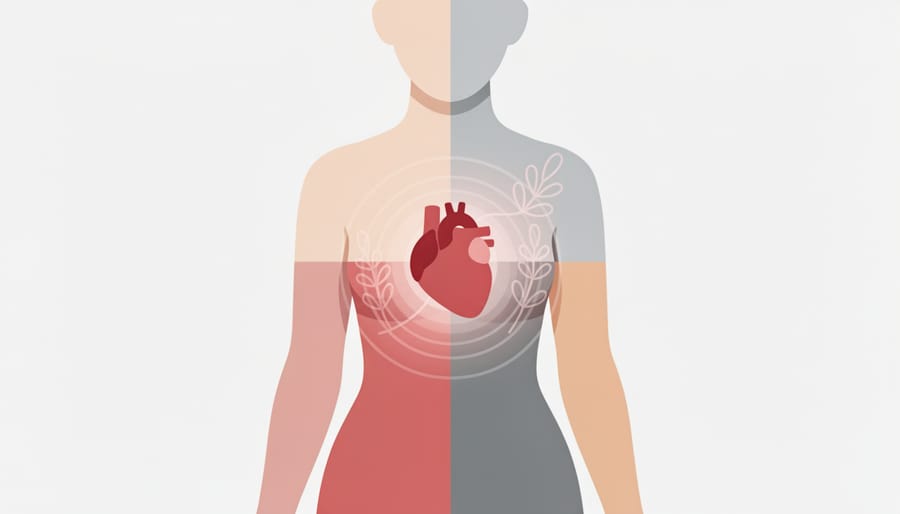
The symptoms you experience during perimenopause are not just uncomfortable, they are signals that your cardiovascular system is undergoing significant changes. As estrogen levels decline, this hormone that once protected your heart is no longer providing the same level of defense. Understanding this connection gives you power to act during a critical window for prevention.
Estrogen does more than regulate your menstrual cycle. It helps keep blood vessels flexible, reduces inflammation, and supports healthy cholesterol levels. When estrogen drops during perimenopause, your arteries may stiffen, your LDL cholesterol often rises while HDL decreases, and your body becomes more vulnerable to oxidative stress, a process where unstable molecules damage cells and accelerate aging. These physiological shifts directly increase women’s cardiovascular risk.
The metabolic changes that accompany perimenopause compound this risk. Your body begins storing fat differently, often shifting it to your abdomen where it poses greater danger to heart health. Your metabolism slows, making it easier to gain weight and harder to maintain stable blood sugar levels. These shifts are not cosmetic concerns, they are cardiovascular warning signs that deserve attention.
Heart disease remains the leading cause of death among Canadian women, yet many women remain unaware of their risk or the specific heart health symptoms that warrant concern. Perimenopause offers a unique opportunity for intervention. Because most women will spend more than a third of their lives post-menopause, the choices you make during this transition have decades of impact.
The encouraging truth is that menopause-related dysfunction and disease are largely preventable if you make lifestyle changes early. Even if you are already experiencing symptoms, they remain manageable with the right approach. Perimenopause is not simply something to endure, it is a call to action for your long-term heart health.
Making Lifestyle Changes That Protect Your Heart During Perimenopause

Perimenopause is a window of opportunity. The lifestyle choices you make during this transition can prevent dysfunction and disease rather than simply managing symptoms after they appear. Since most women will spend more than a third of their lives post-menopause, the changes you implement now set the foundation for decades of cardiovascular wellness.
Nutrition becomes particularly powerful during this phase. Your body’s metabolism is shifting, and oxidative stress increases as estrogen declines. Focus on whole foods rich in omega-3 fatty acids, which support heart health and may help moderate inflammation. Include plenty of colorful vegetables, legumes, and whole grains to provide fiber that stabilizes blood sugar and supports healthy cholesterol levels. Limit processed foods, excess sugar, and alcohol, all of which can worsen hot flashes while adding cardiovascular strain.
Physical activity addresses multiple concerns at once. Regular exercise helps maintain healthy weight, improves sleep quality, reduces stress, and directly strengthens your cardiovascular system. Aim for a combination of aerobic activity (walking, swimming, cycling) and strength training, which becomes increasingly important as metabolism changes and muscle mass naturally declines.
Here are the key action steps to prioritize during perimenopause:
- Establish a consistent exercise routine that includes both cardio and strength training at least five days per week
- Build meals around whole, minimally processed foods with emphasis on heart-healthy fats and fiber-rich vegetables
- Create a regular sleep schedule with a cool, dark bedroom to counter night sweats and support recovery
- Practice daily stress-management techniques such as meditation, deep breathing, or gentle yoga
- Track your symptoms and discuss concerning patterns with your healthcare provider
Sleep hygiene deserves special attention because sleep disturbances are both a symptom of perimenopause and a risk factor for heart disease. Keep your bedroom cool, establish a wind-down routine, and limit screen time before bed. If night sweats disrupt your rest, consider moisture-wicking sheets and layered bedding you can adjust.
Stress management is not optional during this transition. Chronic stress compounds the cardiovascular effects of declining estrogen. Whether through mindfulness practices, time in nature, or activities that bring you joy, find what helps you decompress.
Medical support has its place. If lifestyle changes alone are not managing your symptoms, or if you have concerning cardiovascular risk factors, discuss options with your healthcare provider. Perimenopause is manageable even when symptoms are already present, but personalized guidance can make the difference between struggling through and thriving during this transition.
Common Questions About Pre Menopause Symptoms
Perimenopause raises questions that many women hesitate to ask, even though nearly everyone going through this transition wonders about the same things. Understanding what’s normal, and what deserves closer attention, helps you navigate this phase with confidence rather than uncertainty.
How long does perimenopause last?
The perimenopausal transition typically lasts between four and eight years, though some women experience a shorter or longer window. You’re considered to have reached menopause after twelve consecutive months without a period.
What’s the difference between perimenopause and menopause?
Perimenopause is the transitional phase when your body begins producing less estrogen and you start experiencing symptoms, while menopause is the point when menstruation has stopped for a full year. Most women spend more than a third of their lives post-menopause.
Can perimenopause symptoms affect heart health?
Yes, the hormonal changes during perimenopause can impact cardiovascular function through effects on oxidative stress, metabolism, and aging processes. This is why perimenopause represents a critical window for making lifestyle changes that protect long-term heart health.
Are my symptoms perimenopause or something else?
Some perimenopause symptoms overlap with thyroid disorders, vitamin deficiencies, or other health conditions. If you’re experiencing significant changes that disrupt your daily life, discussing them with a healthcare provider can help clarify what’s happening and rule out other causes.
The good news is that even if you’re already experiencing symptoms, they’re manageable. Dysfunction and disease often associated with menopause are largely preventable when women make lifestyle changes early in life, but it’s never too late to take action. Your body is signaling a transition, not a decline, and how you respond during this phase shapes your health for decades to come.
The symptoms you experience during perimenopause are more than temporary discomforts, they’re signals from your body about changes that affect your long-term health, especially your heart. Because most women will spend more than a third of their lives post-menopause, how you respond to these early warning signs matters enormously. The good news is that menopause-related dysfunction and disease are largely preventable when you make lifestyle changes early, and even if you’re already experiencing symptoms, they’re manageable with the right approach.
This transition isn’t something to simply endure. It’s your opportunity to strengthen the foundation of your cardiovascular wellness for the decades ahead. Understanding the connection between perimenopause and cardiovascular conditions empowers you to take meaningful action now, whether that’s adjusting your nutrition, prioritizing movement, managing stress, or seeking medical support when needed.
Your body is telling you something important. Listen to it, and give yourself the care you deserve during this pivotal phase of life.