 dorris
Cardiac arrest survival stories stand out as some of the most remarkable accounts of human resilience because the stakes are absolute: when your heart stops, you have minutes, not hours. For women, these survival stories carry an added layer of complexity. Female heart attack symptoms often differ from the classic chest-clutching scenario, leading to delayed recognition and treatment. The women’s heart attack statistics paint a sobering picture of these challenges, yet countless women have beaten tremendous odds.
What makes a survival story truly extreme isn’t just the medical crisis itself. It’s the combination of factors: symptoms dismissed as anxiety or indigestion, delayed calls for help, longer times to treatment, and the demanding physical recovery that follows. Many women describe a strange pressure in their jaw, overwhelming fatigue, or nausea rather than dramatic chest pain. These atypical presentations mean the window for intervention can narrow dangerously before anyone realizes what’s happening.
But here’s what matters most: survival is possible, recovery is achievable, and understanding the patterns can save your life or the life of someone you love.
The stories we’ll explore aren’t about fictional heroes with perfect outcomes. They’re drawn from the real experiences shared by cardiac survivors, the documented medical realities of women’s heart disease, and the expertise of healthcare professionals who’ve guided patients through this journey. You’ll learn what distinguishes extreme survival situations, why women face unique challenges, and most importantly, what actionable steps can improve your chances of not just surviving a cardiac event but thriving afterward.
Whether you’re reading this as a survivor yourself, someone concerned about your heart health, or a person supporting a loved one through recovery, you’ll find both hope and practical guidance here.
What Makes a Heart Emergency ‘Extreme’ for Women
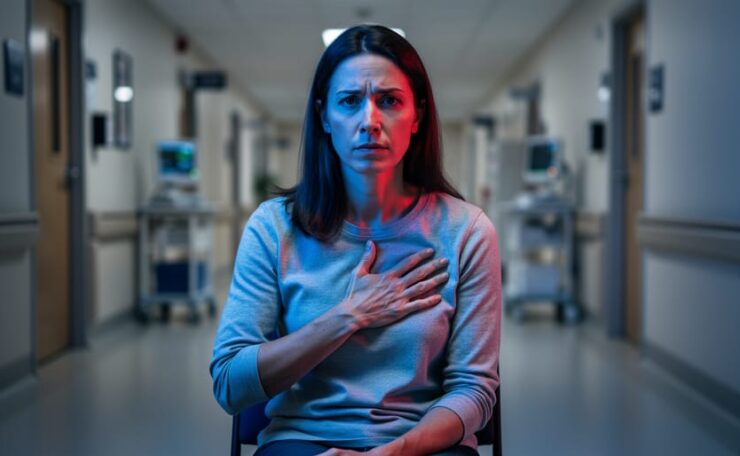
A heart emergency becomes extreme for women long before the heart itself stops beating. It starts with the dismissal, the doubt, and the dangerous assumption that what women feel can’t possibly be a heart attack.
Women often experience heart attacks differently than the textbook chest-clutching scenario most people expect. Instead of crushing central chest pain, women may feel overwhelming fatigue, nausea, jaw pain, back pain, or breathlessness. They describe sensations that sound vague to emergency responders: “I just feel wrong,” or “something isn’t right.” This disconnect between what women experience and what medical professionals expect creates a deadly delay. When symptoms don’t match the standard pattern, women wait longer to seek help, and once they arrive at the hospital, they wait longer for diagnostic tests and treatment. Those lost hours directly impact survival rates, and the alarming numbers reflect this gap.
Younger women face additional layers of risk that make cardiac emergencies particularly extreme. Heart attacks during pregnancy or in the postpartum period catch both patients and doctors off guard. The assumption that young, otherwise healthy women can’t have heart attacks means symptoms get attributed to pregnancy complications, anxiety, or stress. Spontaneous coronary artery dissection, a condition that predominantly affects younger women and often occurs around childbirth, can strike without warning in someone with no traditional risk factors.
Women with autoimmune conditions such as lupus or rheumatoid arthritis carry significantly higher cardiac risk, but this connection often goes unrecognized until a crisis occurs. Chronic inflammation damages blood vessels over time, and the medications used to manage these conditions can affect heart health. When a heart emergency strikes, the complexity of managing multiple conditions simultaneously intensifies both the medical response and the recovery process.
Perhaps most extreme is the psychological burden women carry during their own medical emergencies. Studies consistently show that women’s symptoms are more likely to be dismissed or attributed to anxiety, even when they’re experiencing a heart attack. Women find themselves arguing for care, convincing skeptical medical staff that their symptoms are real, all while facing a life-threatening event. Survival requires not just physical resilience but the strength to advocate for yourself when every system seems designed to doubt you.
The Medical Reality: Surviving Against the Odds
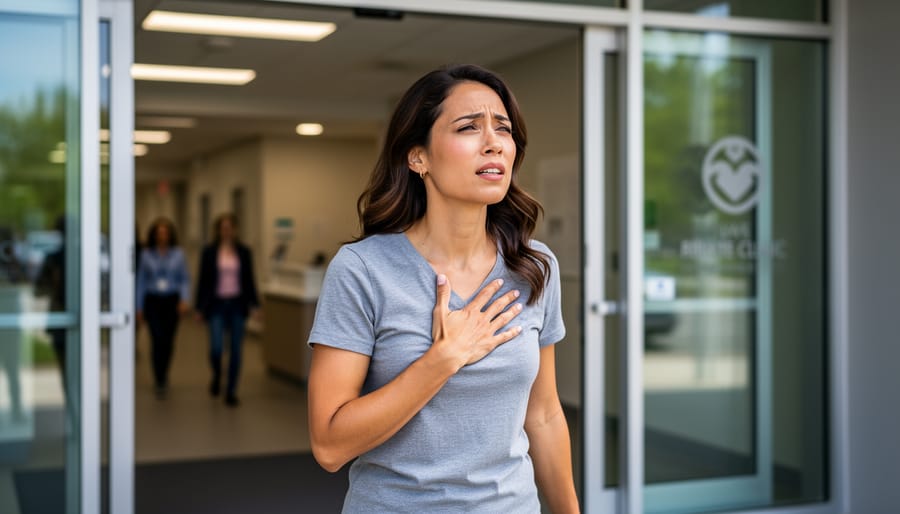
When a woman’s heart stops working properly, every second becomes a measure of survival. The difference between life and death often hinges on how quickly the problem is recognized and how aggressively it’s treated.
A massive heart attack occurs when blood flow to a significant portion of the heart muscle is suddenly blocked, usually by a blood clot in a coronary artery. Without oxygen, heart tissue begins dying within minutes. The heart may beat irregularly or stop altogether. Women experiencing this crisis may feel crushing chest pressure, but they’re equally likely to report nausea, jaw pain, overwhelming fatigue, or simply a sense that something is profoundly wrong. The heart muscle that dies during this event cannot regenerate. Survival depends on restoring blood flow through emergency angioplasty or clot-busting medications, ideally within 90 minutes of symptom onset.
Cardiac arrest represents an even more immediate threat. The heart’s electrical system malfunctions, causing it to quiver uselessly instead of pumping blood. Brain damage begins within four to six minutes without circulation. Survival rates for out-of-hospital cardiac arrest remain grim, around 10 percent overall, though immediate CPR and defibrillation can double or triple those odds. Women who survive often do so because someone nearby started chest compressions without hesitation and an automated external defibrillator was available within minutes.
Spontaneous coronary artery dissection, or SCAD, tears the artery wall from the inside without warning. It primarily strikes women under 50, often those who seem perfectly healthy. The torn artery can block blood flow as effectively as a clot. SCAD is increasingly recognized but still underdiagnosed. Treatment varies depending on the tear’s location and severity, ranging from medication and careful monitoring to emergency stenting or bypass surgery.
Peripartum cardiomyopathy weakens the heart muscle during the final month of pregnancy or the months following delivery. The heart enlarges and struggles to pump efficiently. Some women recover fully with medication. Others face chronic heart failure, requiring lifelong management or even heart transplantation. The condition remains poorly understood, making it difficult to predict who will develop it or how severe it will become.
These conditions share a common thread: survival requires sophisticated medical intervention delivered fast. Cardiac catheterization labs, mechanical heart support devices, advanced life support protocols, and experienced cardiac teams turn potential tragedies into recovery stories. But the technology only works if women get to the hospital quickly and receive the aggressive treatment they need.

Common Threads in Women’s Cardiac Survival Narratives
Women who survive extreme cardiac events describe remarkably similar experiences, even when their medical circumstances differ. These shared patterns reveal systemic problems in how women’s heart symptoms are recognized and treated, while also highlighting the resilience required to overcome them.
The dismissal phase appears consistently. Women report explaining chest discomfort, unusual fatigue, or jaw pain to medical professionals who attribute symptoms to anxiety, stress, or hormonal changes. This happens in emergency departments, primary care offices, and urgent care centers. The pattern occurs across age groups and health histories, though younger women and women of colour describe particularly persistent dismissal.
Before seeking help, survivors wrestle with internal doubt. They question whether their symptoms warrant emergency care. They worry about overreacting, inconveniencing others, or appearing dramatic. Many describe waiting hours or days while symptoms worsen, trying to convince themselves nothing is seriously wrong. This hesitation stems partly from how society portrays heart attacks as sudden, crushing chest pain in men, leaving women uncertain when their symptoms feel different.
The crisis moment forces action when symptoms become undeniable or someone else insists on calling for help. Survivors describe this turning point as both terrifying and clarifying. Uncertainty gives way to the immediate fight for life.
Recovery requires sustained effort that surprises many survivors. The physical work of cardiac rehabilitation, medication adjustments, and lifestyle changes combines with emotional processing of trauma. Many women describe feeling abandoned once they leave hospital care, expected to simply resume normal life after a catastrophic event.
Over time, survivors often become advocates. They share their experiences to help other women recognize symptoms earlier, demand proper care, and understand that recovery extends far beyond hospital discharge. This transformation from patient to educator emerges repeatedly, driven by the belief that their hard-won knowledge can save others from similar struggles.
The Recovery Journey: Beyond Physical Survival
Surviving a heart attack or cardiac arrest marks the beginning of a recovery journey that extends far beyond hospital discharge. The weeks and months that follow test survivors in ways the initial crisis never did, managing new medications, relearning what the body can do, and confronting the psychological weight of a brush with death.
Most cardiac survivors navigate several overlapping phases of recovery:
- Immediate stabilization: The first days focused on monitoring heart function, adjusting medications, and preventing complications while still in hospital care.
- Hospital discharge transition: Learning to manage new routines at home, understanding medication schedules, and adapting to sudden lifestyle restrictions while still feeling physically weak.
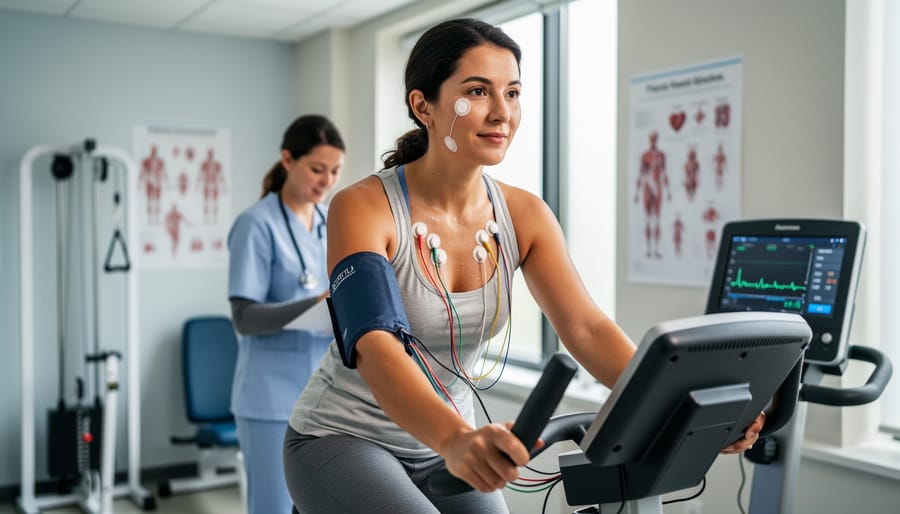
- Cardiac rehabilitation: Participating in supervised exercise programs, nutritional counseling, and education about heart disease, typically lasting 12 weeks but forming habits for life.
- Psychological recovery: Processing trauma, managing anxiety about future events, and addressing depression or PTSD symptoms that emerge weeks or months after the physical crisis.
- Lifestyle integration: Rebuilding daily routines around heart-healthy practices, negotiating social situations, and finding a sustainable balance between caution and living fully.
- Long-term management: Accepting that heart disease requires ongoing attention, regular monitoring, and continuous adjustment of medications and habits as life circumstances change.
The medication regimen alone can overwhelm. Blood thinners, beta blockers, statins, ACE inhibitors, survivors often take five or more daily medications, each with side effects that require management. Fatigue becomes a constant companion. Activities that once felt effortless now demand careful planning and rest periods.
Many survivors struggle with cardiac anxiety, scanning their bodies for warning signs and fearing every twinge means another event. Sleep disruptions are common. Some women withdraw from activities they love, afraid exertion will trigger another crisis. Others push too hard too soon, frustrated by their body’s new limitations.
Relationships shift. Partners become caregivers. Roles within families change. Some survivors face employers who don’t understand that recovery takes months, not weeks. Career trajectories alter when full-time work becomes impossible or when the stress of a demanding job outweighs financial needs.
Recovery requires rebuilding identity around a changed body and uncertain future. It’s daily work, taking medications, attending appointments, choosing the salad, walking when exhausted, asking for help, and slowly learning to trust your heart again.
What Medical Experts Say About Survival and Resilience
Medical research consistently shows that women’s cardiac survival depends heavily on rapid recognition and treatment. Studies tracking outcomes across emergency departments reveal that women who arrive within the first hour of symptom onset have significantly better survival rates than those who delay. The challenge lies in symptom recognition: women experiencing atypical presentations, jaw pain, nausea, or overwhelming fatigue without classic chest pressure, often wait hours longer before seeking help.
Clinical guidelines emphasize that knowing your risk profile directly impacts survival. Women with diabetes, hypertension, or autoimmune conditions face elevated cardiac risk, yet many remain unaware of how these factors compound. Research demonstrates that women who understand their risk by statistics and discuss cardiovascular concerns with their physicians receive more proactive care. This awareness translates into earlier intervention when symptoms appear.
Cardiologists recognize that advocacy during medical encounters influences outcomes. Women who clearly state their concerns, request specific tests like ECGs or troponin levels, and refuse dismissive responses receive more thorough evaluations. Medical literature documents cases where persistent self-advocacy led to diagnosis of conditions like SCAD or peripartum cardiomyopathy that might otherwise have been missed.
Cardiac rehabilitation research shows that women who complete structured programs demonstrate better long-term survival than those who don’t. Yet enrollment rates remain lower for women, partly due to caregiver responsibilities and lack of referrals. Evidence indicates that even home-based cardiac rehab improves outcomes when facility-based programs aren’t accessible.
Resilience factors extend beyond medical treatment. Research on cardiac survivors identifies several patterns: maintaining medication adherence, building support networks, managing post-event anxiety, and continuing regular follow-up care all correlate with improved quality of life and reduced risk of recurrent events. The data suggests that survival encompasses both the immediate emergency response and the sustained commitment to heart-healthy living that follows.
Learning from Survival Stories: Practical Steps for Every Woman
Survival stories teach us patterns, and those patterns can save your life. Women who’ve come through cardiac crises often say the same thing: they wish they’d acted sooner, pushed harder, or trusted their instincts instead of downplaying what their body was telling them. You don’t need to wait for your own emergency to apply what survivors have learned through their most frightening moments.
Start by recognizing that heart attack symptoms in women often don’t match the Hollywood version. Crushing chest pain happens, but so do persistent fatigue, jaw pain, nausea, shortness of breath during routine activities, and a sense of impending doom that feels impossible to explain. If something feels profoundly wrong, especially if multiple subtle symptoms cluster together, that’s your cue to act, not to wait and see if it gets worse.
When symptoms strike, call 911 immediately. Don’t drive yourself to the hospital, don’t wait to see if you feel better after resting, and don’t worry about looking foolish if it turns out to be nothing. Survivors consistently report that their biggest mistake was delay, often because they convinced themselves it couldn’t be their heart or they didn’t want to bother anyone. Emergency responders can start treatment en route, and arriving by ambulance gets you faster access to cardiac care than walking through the ER entrance.
At the hospital, you need to advocate clearly. Say “I’m having chest discomfort and I’m concerned about my heart” rather than softening your language or apologizing. If a provider dismisses your symptoms, ask directly: “What else besides a cardiac event could cause these symptoms, and how are we ruling out my heart?” Request an ECG and cardiac enzyme tests. Women who survive often had to insist on testing when initial assessments missed their heart attacks, particularly younger women whose age made providers less suspicious.
Understanding Canadian women’s risk factors empowers you to prepare before crisis strikes. If you have diabetes, high blood pressure, autoimmune conditions, a family history of early heart disease, or you’ve experienced pregnancy complications like preeclampsia, you’re not being dramatic by treating heart symptoms seriously. You’re being realistic.
Take these concrete steps now, while you’re well:
- Learn your family’s cardiac history, including relatives who died suddenly or had heart events before age 65.
- Document unusual symptoms in a journal, noting patterns and triggers that you can show providers.
- Insist on cardiac testing when you’re concerned, even if you’re told you’re “too young” or “too healthy-looking.”
- Build a support network that includes at least two people who know your medical history and can advocate for you.
- Create an emergency plan: know which hospitals have cardiac catheterization capabilities and keep a list of current medications accessible.
- Know your numbers, blood pressure, cholesterol, blood sugar, and heart rate, and track changes over time.
If you’re already living with heart disease, apply survivors’ recovery wisdom: attend every cardiac rehabilitation session offered, take medications exactly as prescribed even when you feel fine, and understand that emotional recovery matters as much as physical healing. Anxiety after a cardiac event isn’t weakness; it’s a normal response that deserves professional support. Survivors who thrive long-term are those who treat their recovery as seriously as they treated their emergency.
Finding and Sharing Your Own Story
If you’ve survived a cardiac event, your story holds power, whether you choose to share it with thousands or keep it within your closest circle. Writing about your experience can help you process trauma, track your recovery progress, and make sense of what happened. Some survivors find that journaling privately gives them space to work through anxiety and grief without an audience. Others discover healing in connecting with fellow survivors through online forums or local support groups.
Sharing publicly can transform your experience into advocacy. When you talk about ignoring symptoms because you didn’t fit the “typical” heart attack profile, or fighting to be taken seriously in the emergency room, you help other women recognize their own warning signs and know the numbers that affect them. Your narrative might convince someone to call 911 instead of waiting another hour.
Consider starting with organizations like the Heart and Stroke Foundation of Canada, which connects survivors for peer support and storytelling opportunities. Many hospitals offer cardiac rehabilitation programs that include survivor discussion groups. Social media communities dedicated to women’s heart health welcome personal accounts, though you control how much identifying detail you include.
Not ready to share? That’s completely valid. Your story belongs to you first. The act of surviving and rebuilding your life is enough.
Cardiac survival stories remind us that the fight doesn’t end when the ambulance arrives or when the hospital discharge papers are signed. These are ongoing journeys that demand everything from women who face them, physical stamina through months of rehabilitation, emotional resilience as they process trauma and rebuild confidence, and social courage as they navigate relationships and identity after a life-altering event. Whether you’ve survived a heart attack yourself, worry about your own risk factors, or support someone managing heart disease, your experience and awareness contribute to a larger shift in how women’s heart health is understood and treated.
The most powerful step you can take is to know your personal risk. Learn your family history, understand how conditions like diabetes or autoimmune disease affect your heart, and track changes in your body. Trust what your symptoms tell you, even when they don’t match the classic crushing chest pain narrative. If something feels wrong, seek care immediately and insist on being heard. Women’s cardiac survival increasingly depends on refusing to be dismissed.
Your story, whether it’s one of survival, prevention, advocacy, or simply paying closer attention, adds to the growing recognition that women’s hearts matter. Act on what you know. Speak up for yourself and others. Your heart health is worth fighting for, every single day.