
 dorris
Hormone replacement therapy (HRT), also called menopausal hormone therapy, is medicine that contains the hormones your ovaries make less of as you age and move through menopause. It replaces some of what your body is no longer producing, and it’s the most effective treatment available for menopausal symptoms.
That matters because menopause doesn’t announce itself politely. Hot flashes and night sweats can interrupt your sleep and your workday, and many women also notice brain fog, restless nights and shifts in mood without knowing the cause. Current guidelines describe hormone therapy as safe and effective, and as the first-line treatment for women under 60, or within 10 years of menopause, who have no contraindications. Those are health conditions that make it unsuitable for a particular person, which is why the decision always belongs in a conversation with your doctor.
Hormone therapy isn’t one single product, either. It comes in different forms, and vaginal symptoms have their own approach, starting with moisturizers and lubricants and moving to local vaginal estrogen if needed.
This article explains what HRT is, how it works, the types available and what it treats, in plain language. Since hormones and the heart are closely linked in midlife, it also helps to understand your women’s cardiovascular risk alongside your options.
What Hormone Replacement Therapy Means in Plain Language

Hormone replacement therapy, often shortened to HRT and also called hormone therapy, is medicine that contains hormones the ovaries make less of as women age and reach menopause. Think of it as topping up what your body is producing less of, rather than something foreign.
Here’s a quick glossary to keep the terms straight:
- Perimenopause
- The transition leading up to menopause, when hormone levels begin to shift and symptoms like hot flashes or sleep changes can start.
- Menopause
- The point when the ovaries have largely stopped releasing eggs and making as much estrogen and progesterone, marked by a full year without a period.
- Vasomotor symptoms
- The medical term for hot flashes and night sweats.
- Systemic therapy
- Hormone treatment that travels through the whole body, used for symptoms like hot flashes and night sweats.
- Local (vaginal) therapy
- Treatment applied mainly where it’s needed, such as vaginal estrogen, which is not systemic.
So why do hormone levels shift? As the ovaries wind down over several years, estrogen and progesterone no longer rise and fall in their old, predictable pattern. That bumpy road is perimenopause, and it can begin earlier than many women expect. If you’re curious about timing, our guide to perimenopause age explains what to expect and when it begins.
Consider a composite story, not one real person, built from what many women tell us. Imagine a woman in her late 40s who starts waking at 3 a.m. drenched in sweat, kicking off the covers, then lying awake until dawn. For weeks she blamed stress and her busy schedule. Eventually, exhausted and foggy at work, she realized this wasn’t just a rough patch. She began reading about what was happening in her body, and that’s when she decided to learn what hormone therapy actually is.
That search for answers is why so many women are asking this question now. Understanding the basics is the first step toward a clearer conversation with your doctor.
How Hormone Therapy Works in the Body
Systemic Versus Local: Why the Difference Matters
Hormone therapy comes in two broad types, and the difference between them matters. Systemic therapy works throughout the whole body. It’s the approach doctors consider for troublesome hot flashes and night sweats, and it may also help with brain fog, sleep disturbances and mood changes.
Local vaginal therapy is different. Creams, vaginal tablets and rings are placed where the symptoms are, and these estrogen preparations are not systemic. That’s why they don’t require progesterone for endometrial protection, even for someone with a uterus.
Progesterone enters the picture only with systemic estrogen. Whether it’s needed, and which form suits you, is something to settle with your clinician based on your own health history.
Types of Hormone Therapy and Forms Women May Encounter
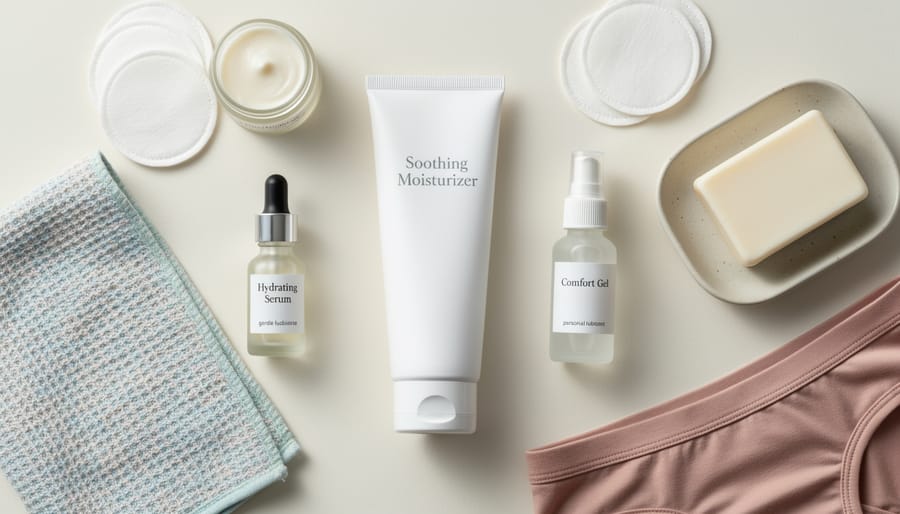
Hormone therapy isn’t one single product. It comes in a few different forms, and which one makes sense depends on what you’re experiencing.
Systemic hormone therapy is the type that works throughout the whole body. It’s the form considered for troublesome hot flashes and night sweats, and it may also help with brain fog, sleep disturbances and mood changes. Guidelines describe it as the most effective treatment for menopausal symptoms. Because it affects the whole body, the specific combination of hormones is something you and your clinician sort out together, based on your health history and whether you have a uterus.
Local vaginal estrogen is a different approach. It comes as vaginal creams, vaginal tablets or a vaginal ring, and it’s aimed at genitourinary syndrome of menopause, the cluster of vaginal and urinary changes that can show up as hormone levels fall. These preparations are not systemic, which means they act mainly where they’re applied. That’s also why they don’t require progesterone for endometrial protection, even if you have a uterus.
Non-hormonal options deserve a mention too, because they’re actually the first step for genitourinary symptoms. Vaginal moisturizers and lubricants are considered first-line therapy, with local vaginal estrogen as the next step if more help is needed. Many women are surprised to learn that relief for these symptoms doesn’t have to start with a hormone at all.
So here’s the short version of how the forms line up:
– Whole-body symptoms like hot flashes and night sweats: systemic hormone therapy
– Vaginal and urinary symptoms: moisturizers and lubricants first, then local vaginal estrogen
– Everything in between: a conversation with your clinician
I won’t pretend there’s a one-size-fits-all answer, because there isn’t. The right form depends on your symptoms, your age, how long it’s been since your last period, and your personal and family health history, including your heart. If you’re not sure how to bring all of that up, our guide on talking with your doctor about your heart health can help you walk into that appointment feeling prepared.
What Hormone Therapy Is Used to Treat
Hormone therapy is used mainly to ease symptoms that show up when estrogen levels start to drop. If you’re dealing with hot flashes that creep up your neck or night sweats that soak the sheets, you’re far from alone. These experiences are real, common, and not something you should simply “push through.” Many women first notice pre-menopause symptoms well before their periods stop, so it helps to know what treatment can and can’t address.
Guidance says systemic therapy for hot flashes and night sweats (the medical term is vasomotor symptoms) should be considered when they become troublesome during perimenopause and menopause. Beyond that, hormone therapy may also help with a wider set of everyday complaints:
- Hot flashes
- Night sweats
- Brain fog, that frustrating “where did I put my keys?” feeling
- Sleep disturbances, including waking in the night
- Mood changes
- Genitourinary symptoms, such as vaginal dryness and discomfort, addressed through local therapy
That last item deserves a closer look. Genitourinary syndrome of menopause is the name for changes in vaginal and urinary comfort. For these symptoms, vaginal moisturizers and lubricants are the first-line choice. If those aren’t enough, local vaginal estrogen in the form of creams, tablets or a ring is the next step.
When it comes to the full picture of menopausal symptoms, the Canadian Menopause Society’s pocket guide describes hormone therapy as most effective among available treatments for menopausal women. That doesn’t mean it’s right for everyone, and your own health history shapes the decision. It simply means it’s worth a real conversation with your clinician.
Who May Want to Consider Hormone Therapy First
Current guidance is fairly clear about who tends to be considered first. Hormone therapy is described as safe and first-line hormone therapy for people who are younger than 60 or less than 10 years past menopause and who have no contraindications. That “no contraindications” part matters, and it’s where your own health history comes in.
I won’t list contraindications or risks here, because they depend on the individual. The same goes for the tests or workup a doctor may suggest before starting. Those decisions belong in a conversation with someone who knows your full picture, including your personal and family history and your heart health. If you’ve noticed changes you’re unsure about, it helps to read up on heart health symptoms before your appointment, so you can raise them alongside your menopause concerns.
[Medical advisor note: our partner clinician’s review comment or short quote on this guidance will be added here once supplied.]
Wondering whether you fit this picture? Being under 60, or fairly early in menopause, doesn’t mean you must start treatment, and being outside that window doesn’t automatically rule anything out. It simply tells you where the guidance begins. Bring your questions, your symptom notes and your family history, and let the decision be a shared one.
Questions to Bring to Your Next Appointment

Going into an appointment with a few notes can make the conversation feel far less rushed. Start by tracking your symptoms for a couple of weeks: how often hot flashes or night sweats happen, how well you’re sleeping, and any changes in mood or focus, including brain fog. Jot down when they happen and how much they disrupt your day.
Next, write down what you know about your family’s heart health. Has a parent or sibling had heart disease or a stroke, and at what age? Your doctor can weigh this alongside your menopause symptoms.
Then bring your questions. You might ask:
– Which options might suit my symptoms and health history?
– What forms are available, such as whole-body therapy or local vaginal products?
– What should I expect at follow-up visits, and how will we know if it’s working?
– How does my heart health factor into this decision?
You deserve to be heard, and treatment choices are shared ones. If something isn’t clear, ask again. If you feel dismissed, you can ask for more time or a second opinion. For more help speaking up, read our guide to advocating for yourself in the healthcare system.
Frequently Asked Questions About Hormone Replacement Therapy
What is hormone replacement therapy for women?
Hormone replacement therapy, often called hormone therapy, is medicine that contains hormones the ovaries make less of as women age and reach menopause. It’s used to ease symptoms linked to those lower hormone levels.
What menopause symptoms can hormone therapy treat?
Systemic hormone therapy should be considered for troublesome hot flashes and night sweats. It may also help with brain fog, sleep disturbances and mood changes.
What forms of hormone therapy are used?
Systemic therapy treats whole-body symptoms, while local vaginal estrogen comes as creams, vaginal tablets or a vaginal ring. Vaginal moisturizers and lubricants are non-hormonal first-line options for genitourinary syndrome of menopause.
What are the risks of hormone replacement therapy?
Risks depend on your personal and family health history, including your heart health, so there’s no one-size-fits-all answer. Review your individual picture with your doctor rather than relying on general numbers.
Who should consider hormone therapy first? Guidance describes it as safe and effective, and as first-line treatment, for people younger than 60 or less than 10 years past menopause who have no contraindications. Which category you fall into is a conversation to have with a clinician who knows your history.
Hormone replacement therapy is medicine that contains hormones the ovaries make less of as women age and reach menopause. It’s used to ease troublesome symptoms like hot flashes and night sweats, and it may also help with brain fog, sleep problems and mood changes. It comes in whole-body (systemic) forms, plus local vaginal options such as creams, tablets or a ring, alongside non-hormonal moisturizers and lubricants for vaginal comfort.
Whether any of this is right for you depends on your own health history, and that’s a conversation to have with a healthcare provider. Before you go, jot down your symptoms, your questions, and any family history of heart disease. Your heart health matters just as much as your hot flashes, and the two belong in the same discussion.
You deserve to feel informed and heard through this stage of life. Keep exploring our resources on women’s heart health whenever you’re ready for the next step.