 dorris
Cardiovascular conditions are diseases affecting the heart and blood vessels, including coronary artery disease, heart failure, arrhythmias, and stroke. These conditions develop when damage, narrowing, or dysfunction disrupts the cardiovascular system’s ability to pump blood and deliver oxygen throughout your body. For women, understanding these conditions isn’t just about learning medical terminology. It’s about recognizing that heart disease looks different in female bodies, presents with different symptoms, and kills more Canadian women than all forms of cancer combined.
When Sarah, a 52-year-old marketing director from Toronto, felt persistent fatigue and shortness of breath climbing stairs, she dismissed it as stress and aging. Three months later, she was in the emergency room with a heart attack. Her story isn’t unique. The heart attack statistics reveal that women are more likely than men to die from their first cardiac event, partly because we don’t recognize the warning signs in time.
This gap in knowledge costs lives. For decades, cardiovascular research focused primarily on men, leaving women with less information about how these conditions develop and manifest in female physiology. Hormonal changes, pregnancy complications, and autoimmune diseases create unique risk factors that many women don’t know to watch for.
This article breaks down what cardiovascular conditions are, how they develop in your body, and the specific types you should understand. Working with cardiologists who specialize in women’s heart health, we’ll explain the mechanisms behind these diseases in plain language and help you recognize the symptoms that matter most for women. Because the first step in protecting your heart is understanding what threatens it.
Understanding What Cardiovascular Conditions Mean for Women

Cardiovascular conditions are diseases that affect your heart and the network of blood vessels that carry blood throughout your body. Think of your cardiovascular system as a delivery service: your heart is the central pump, and your blood vessels are the roads that transport oxygen and nutrients to every part of your body. When something goes wrong with this system, whether the pump weakens, the roads narrow, or blockages form, you develop a cardiovascular condition.
These conditions include familiar names like heart disease, heart attack, and stroke, but also encompass less commonly discussed issues like arrhythmias (irregular heartbeats), heart failure, and peripheral artery disease. What many women don’t realize is that cardiovascular conditions remain among the leading causes of death for Canadian women, yet they receive far less attention than conditions like breast cancer in public awareness campaigns.
Here’s the critical piece: cardiovascular conditions develop, present, and progress differently in women than in men. Women’s symptoms are often subtler. Women’s risk factors include unique experiences like pregnancy complications and menopause. Even the structure of women’s hearts and blood vessels differs, with women more likely to develop disease in the smallest vessels that don’t show up on standard tests. Despite these differences, most heart health research has historically focused on men, and many doctors still expect the “classic” male presentation of symptoms.
This gender gap in heart health awareness and treatment means women are more likely to have their symptoms dismissed, experience delays in diagnosis, and receive less aggressive treatment than men with the same conditions. That’s why understanding what cardiovascular conditions are, and how they specifically affect women, matters so much. Knowledge becomes your first line of defense in a healthcare system that hasn’t always prioritized women’s heart health.
How Cardiovascular Conditions Develop and Affect Women’s Bodies
The Role of Blood Vessels and Circulation
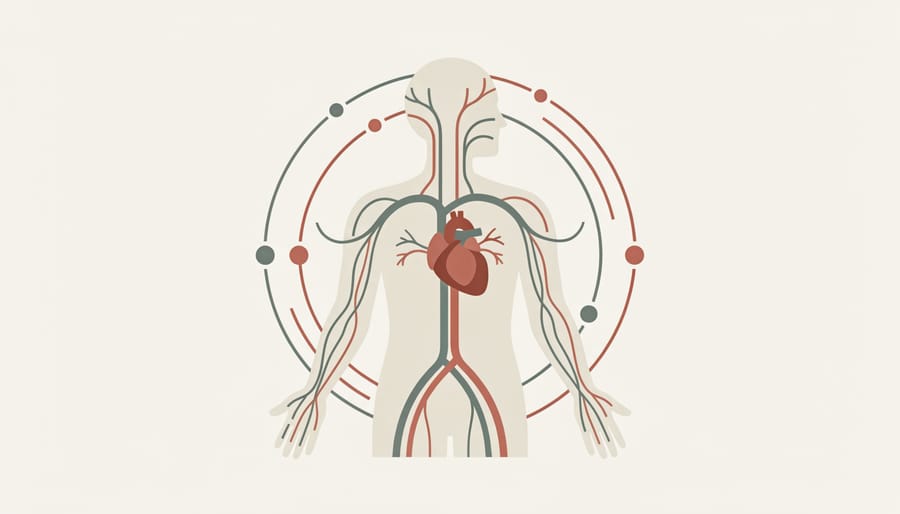
Your blood vessels form an intricate highway system, carrying oxygen and nutrients to every cell in your body. Think of your arteries as main roads, branching into smaller streets (arterioles), and finally into tiny back alleys (capillaries). When everything works smoothly, blood flows freely. But when vessels become damaged or narrowed, it’s like traffic hitting construction zones: delivery slows down, and organs don’t get what they need.
Damage typically starts with inflammation along vessel walls. Cholesterol, fats, and other substances stick to these inflamed areas, forming plaque. As plaque builds up, vessels narrow and stiffen. Blood struggles to squeeze through, raising pressure throughout the system. In major arteries, this blockage often announces itself with obvious chest pain. But here’s where women’s experience differs.
Small blood vessels, those tiny capillaries feeding your heart muscle, can become diseased without large arteries showing any blockages at all. This is microvascular disease, and women get microvascular disease more frequently than men. Standard tests might show clear main arteries, yet you still feel chest pain, fatigue, or shortness of breath because those microscopic vessels aren’t working properly. It’s harder to diagnose and often dismissed, which is why understanding this difference matters for getting proper care.
How Hormones Influence Heart Health
Hormones play a surprisingly powerful role in protecting women’s hearts, until they don’t. During your reproductive years, estrogen acts like a natural shield for your cardiovascular system. It keeps your blood vessels flexible, helps maintain healthy cholesterol levels by raising HDL (the “good” cholesterol) and lowering LDL (the “bad” kind), and reduces inflammation throughout your body. This estrogen protective effect is why women generally face lower cardiovascular risk than men before menopause.
But hormonal changes shift this protection dramatically. During pregnancy, your body experiences massive hormonal fluctuations that can temporarily stress your cardiovascular system, sometimes revealing underlying conditions. After giving birth, hormone levels drop sharply. The biggest shift comes with menopause, typically between ages 45 and 55, when estrogen production decreases significantly. Within just a few years after menopause, your cardiovascular risk catches up to, and can even surpass, that of men your age.
Early menopause (before age 40) extends this higher-risk period even longer. Women who experience surgical menopause through removal of their ovaries face an especially abrupt loss of protection. This hormonal timeline means your heart health strategy needs to evolve as your body changes, with closer attention to cardiovascular risk factors during and after these transitions.
Types of Cardiovascular Conditions Women Face
Coronary Artery Disease in Women
Coronary artery disease happens when the arteries supplying blood to your heart become narrowed or blocked, usually by plaque buildup. While men often develop blockages in the main coronary arteries, women frequently experience disease in the heart’s smaller blood vessels, a condition called coronary microvascular disease or small vessel disease.
These tiny vessels are harder to detect on standard imaging tests, which means women’s heart disease can go undiagnosed even when they’re experiencing real symptoms like chest discomfort, fatigue, or shortness of breath. The plaque in women’s arteries also tends to distribute more evenly rather than forming distinct blockages, making it trickier to spot.
Women also face a unique condition called spontaneous coronary artery dissection, or SCAD. This happens when a tear forms in a blood vessel wall without any plaque buildup at all. SCAD often strikes younger women who don’t have typical risk factors and can occur during or after pregnancy. Unlike blockages from plaque, SCAD develops suddenly and requires different treatment approaches. Understanding these distinctions helps explain why women’s heart disease can look so different from what we’ve traditionally associated with cardiac problems.
Heart Attack and Heart Failure
Heart attacks occur when blood flow to part of the heart muscle gets blocked, usually by a blood clot or plaque rupture. Women often experience symptoms that differ from the classic crushing chest pain portrayed in movies. You might feel unusual fatigue, nausea, jaw pain, or discomfort in your back or arms instead. Some women describe it as feeling like severe indigestion or overwhelming exhaustion rather than obvious heart pain.
Heart failure doesn’t mean your heart stops. It means your heart can’t pump blood efficiently enough to meet your body’s needs. This chronic condition develops gradually, causing symptoms like shortness of breath, swelling in your legs, and persistent fatigue that worsens over time.
Women also face takotsubo cardiomyopathy, or broken heart syndrome, where severe emotional or physical stress temporarily weakens the heart muscle. This condition mimics a heart attack but doesn’t involve blocked arteries. It affects women more than men, particularly after menopause, and often follows major stressful events like the death of a loved one or serious illness.
Arrhythmias and Valve Disorders
Irregular heartbeats, called arrhythmias, occur when the heart’s electrical signals misfire. Your heart might race, flutter, skip beats, or pause momentarily. Atrial fibrillation (AFib), where the upper chambers quiver instead of beating normally, affects women differently than men. Women with AFib face higher stroke risk and often experience more severe symptoms like fatigue and shortness of breath rather than obvious palpitations. They’re also more likely to develop AFib after age 75.
Valve disorders happen when one of the heart’s four valves doesn’t open or close properly. Mitral valve prolapse, where the valve between the left chambers doesn’t close tightly, affects women twice as often as men. Most women with this condition live normal lives, but some experience palpitations, dizziness, or chest discomfort. Pregnancy can worsen valve problems because your heart pumps more blood during those nine months.
Rheumatic heart disease, caused by untreated strep infections, damages heart valves and disproportionately affects women in certain communities. Meanwhile, age-related valve calcification tends to progress more slowly in women but causes similar problems: the heart works harder, potentially leading to heart failure over time.
Stroke and Peripheral Artery Disease
Stroke occurs when blood flow to part of the brain is blocked or when a blood vessel in the brain ruptures. Women face higher lifetime stroke risk than men, partly because they live longer, but also due to unique factors like pregnancy complications, preeclampsia, and the use of oral contraceptives combined with smoking or migraines with aura.
Peripheral artery disease (PAD) involves narrowed arteries that reduce blood flow to the limbs, usually the legs. Women with PAD often experience different symptoms than men. Instead of classic leg pain while walking, you might feel unusual fatigue, heaviness, or discomfort that doesn’t fit the textbook description. This can lead to delayed diagnosis.
Pregnancy increases stroke risk, particularly in the weeks immediately after delivery. Conditions like gestational diabetes and preeclampsia don’t just disappear postpartum. They signal elevated cardiovascular risk that persists for years. If you’ve experienced these complications, tell your doctor. They’re important pieces of your heart health story that help identify your stroke risk early, when prevention strategies work best.
Recognizing Cardiovascular Conditions: Symptoms Women Should Know

Recognizing the warning signs of cardiovascular conditions can be lifesaving, yet many women don’t realize their symptoms might signal a heart problem. Unlike the dramatic chest-clutching scenes often portrayed in movies, cardiovascular symptoms in women frequently appear as subtle, easy-to-dismiss sensations that get attributed to stress, anxiety, or simply “feeling off.” This difference isn’t just anecdotal, the alarming numbers show that women are more likely than men to die from their first heart attack, partly because they and their healthcare providers don’t always recognize what’s happening in time.
Women’s cardiovascular symptoms often manifest differently because heart disease itself develops differently in female bodies. While some women do experience classic chest pressure or pain, many report symptoms that seem unrelated to the heart at all. These can include:
- Unusual fatigue that interferes with daily activities, often appearing weeks before a cardiac event
- Shortness of breath without chest discomfort, especially during routine activities
- Nausea, indigestion, or stomach pain that feels like severe heartburn
- Pain or discomfort in the jaw, neck, shoulder, or upper back
- Dizziness, lightheadedness, or breaking out in a cold sweat
- Sleep disturbances or overwhelming anxiety without an obvious cause
The problem isn’t that these symptoms are vague, it’s that they’re different from what most people expect, leading women to second-guess themselves or wait too long before seeking help. You might think, “It’s probably nothing” or “I don’t want to waste anyone’s time,” but cardiovascular conditions don’t announce themselves politely. If something feels wrong, particularly if you experience several symptoms together or notice a pattern, trust that instinct.
Understanding these differences empowers you to advocate for yourself effectively. When you visit a healthcare provider with concerns about potential heart symptoms, be specific about what you’re experiencing and when it started. Don’t let anyone dismiss your symptoms as stress or anxiety without proper testing. Knowing that your discomfort might not look like textbook chest pain gives you the language to describe what’s actually happening in your body and insist on being heard.
Risk Factors Unique to Women
Women face cardiovascular risk factors that men simply don’t experience, and recognizing these unique risks is essential for protecting your heart health. Understanding how conditions specific to women’s bodies and life stages affect cardiovascular risk empowers you to take preventive action and have informed conversations with your healthcare provider.
Pregnancy complications serve as powerful predictors of future heart disease. If you’ve experienced preeclampsia, gestational diabetes, or preterm birth, your risk of developing cardiovascular conditions later increases significantly. These complications signal that your cardiovascular system was stressed during pregnancy, often revealing underlying issues that may persist. Women who’ve had these experiences should discuss enhanced screening with their doctors, even decades after giving birth.
Conditions affecting reproductive health also impact heart health in ways many women don’t realize. Polycystic ovary syndrome (PCOS) doubles the risk of heart disease, partly because it’s often accompanied by insulin resistance, inflammation, and obesity. Endometriosis carries similar risks, with research showing women with this condition face a 60% higher chance of developing coronary artery disease. These aren’t just “women’s health issues”, they’re cardiovascular risk factors that deserve serious attention.
Early menopause, whether natural or surgical, significantly elevates cardiovascular risk. Women who experience menopause before age 40 face nearly double the risk of heart disease compared to those who reach menopause at the average age. The sudden loss of estrogen’s protective effects leaves blood vessels more vulnerable to damage.
Autoimmune conditions like lupus and rheumatoid arthritis dramatically increase cardiovascular risk in women. The chronic inflammation these conditions create accelerates plaque buildup in arteries, and women with lupus develop heart disease five to ten years earlier than the general population.
Recognizing these risk factors allows you to take proactive steps: advocate for appropriate screening, manage underlying conditions, adopt heart-healthy lifestyle changes, and ensure your healthcare team understands your complete health history. Your unique risks deserve personalized prevention strategies.
Sarah’s Story: Recognizing the Signs
Sarah Martinez, a 52-year-old marketing executive from Toronto, had always thought of herself as healthy. She exercised regularly, ate well, and had no family history of heart disease. So when she started feeling unusually tired during her morning walks last spring, she brushed it off as stress from work.
“I kept telling myself I was just busy,” Sarah recalls. “The fatigue felt different, though. I’d also get this uncomfortable pressure in my jaw and shoulder that I couldn’t explain.”
After three weeks of dismissing these symptoms, Sarah mentioned them to her sister, a nurse, who immediately urged her to see a doctor. Her family physician recognized that Sarah’s subtle symptoms, jaw discomfort, shoulder pressure, and profound fatigue, were classic warning signs of heart disease in women, not the chest-clutching pain often depicted in movies.
Tests revealed significant coronary artery disease. Sarah had narrowed arteries that were limiting blood flow to her heart. “I was shocked,” she says. “I thought heart problems meant dramatic chest pain. I had no idea women’s symptoms could be so different.”
Sarah’s cardiologist, Dr. Patricia Chen, explained that understanding women’s risk factors and unique symptoms is crucial for early detection. Sarah underwent treatment and made lifestyle changes. Now, she shares her story to help other women recognize the signs.
“Trust your body,” Sarah advises. “If something feels off, speak up. Don’t let anyone dismiss your concerns. Early recognition saved my life.”
Common Questions About Cardiovascular Conditions in Women
At what age should women start worrying about heart health?
Heart health matters at every age, but risk increases after menopause when estrogen’s protective effects decline. Women with risk factors like family history, diabetes, or pregnancy complications should start having conversations with their doctor in their 30s or even earlier.
Are cardiovascular conditions hereditary?
Family history plays a significant role in your risk, especially if a parent or sibling had heart disease before age 55 for men or 65 for women. However, lifestyle factors often matter more than genetics, meaning you can still take action to reduce your risk even with a family history.
Can cardiovascular conditions be reversed?
Some cardiovascular damage can be improved through lifestyle changes, medication, and in some cases, procedures that restore blood flow. Early intervention makes the biggest difference, which is why catching symptoms early and managing risk factors aggressively can prevent progression or even improve your heart’s function.
How often should women get screened for cardiovascular conditions?
Most women should have blood pressure checked annually and cholesterol levels tested every four to six years starting in their 20s. Women with risk factors may need more frequent monitoring, so talk to your doctor about a screening schedule that makes sense for your specific situation.
Beyond these common questions, many women wonder when exactly they should seek medical attention. The truth is, if something feels wrong with your heart or circulation, trust that instinct. Sudden chest discomfort, unusual shortness of breath, unexplained fatigue that interferes with daily activities, or dizziness that comes on without obvious cause all warrant a call to your doctor. Don’t wait to see if symptoms go away on their own.
Prevention starts with knowing your numbers. Blood pressure, cholesterol levels, blood sugar, and body mass index give you and your doctor a baseline for tracking your cardiovascular health over time. But numbers alone don’t tell the whole story. The quality of your sleep, your stress levels, how much you move throughout the day, and whether you have support managing life’s challenges all affect your heart health in ways that don’t show up on a lab report.
Women who’ve survived cardiovascular events often wish they’d known sooner what signs to watch for. Reading real survival stories can help you recognize patterns in your own health that deserve attention. These stories also remind us that recovery is possible and that other women have navigated similar challenges successfully.
Your relationship with your healthcare provider matters enormously. If you feel dismissed when raising concerns about cardiovascular symptoms, seek a second opinion. Women’s symptoms are often subtler and easier to attribute to stress or anxiety, but you know your body better than anyone else. Advocate for thorough evaluation when something doesn’t feel right.
Understanding cardiovascular conditions isn’t just about knowing medical terms. It’s about recognizing that your heart health matters and that you have the power to protect it. Women face unique challenges when it comes to heart disease, from symptoms that don’t match textbook descriptions to risk factors that healthcare providers sometimes overlook. By learning about these conditions, you’re taking the first crucial step toward advocating for your own health.
Your body sends signals. Listen to them. If something feels off, whether it’s unusual fatigue, unexplained shortness of breath, or discomfort that doesn’t seem like the classic heart attack warning, speak up. Don’t let anyone dismiss your concerns. Bring up your unique risk factors during medical appointments, from pregnancy complications to autoimmune conditions. Ask for the screening tests you need. Your life could depend on it.
The stories of cardiac survival remind us that knowledge saves lives. When women understand their cardiovascular health, they catch conditions earlier, recover better, and help other women do the same. Share what you’ve learned with the women in your life. Talk about heart health openly. Push for better research and treatment that accounts for women’s experiences.
You now have the knowledge. Use it to close the gender gap in heart health, one informed decision at a time.